What Is Microplastic-Reducing Fabric? And Which Brands Is It Suitable For?
Last updated: 21 Aug 2026
223 Views
What Is Microplastic-Reducing Fabric? And Which Brands Is It Suitable For?
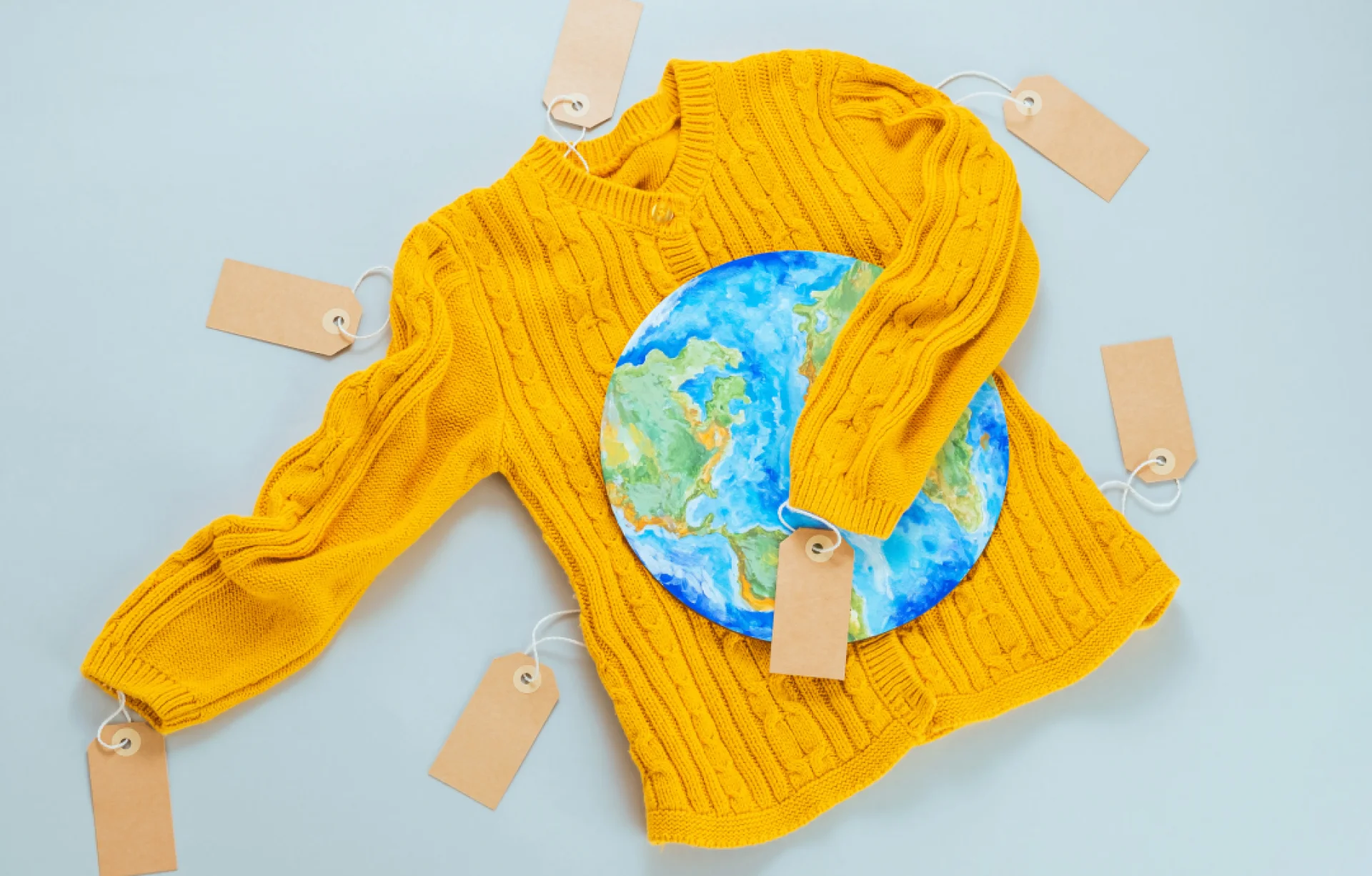
Today, environmental sustainability has become a global priority for governments, businesses, and consumers alike. The fashion industry is no exception. Reducing the environmental impact of plastic use and microplastic pollution has become an increasingly important topic, particularly for clothing brands seeking to build and maintain an environmentally responsible image.
Many brands are now turning to microplastic-reducing fabrics, which are designed to help reduce plastic pollution associated with clothing production and use. In this article, we’ll explore what microplastic-reducing fabrics are, why they are becoming an important option for fashion brands, and which types of brands may benefit from incorporating these fabrics into their products as part of a more sustainable business strategy.
What Are Microplastics?
Before discussing microplastic-reducing fabrics, it is important to understand what microplastics are.
Microplastics are plastic particles smaller than 5 millimeters that can be found throughout the environment, including in oceans, rivers, and even the air. They can result from the breakdown of larger plastic materials, such as plastic bottles, bags, and other plastic products, into smaller particles that do not readily biodegrade in nature. The accumulation of microplastics in the environment may affect ecosystems, animal health, and potentially human health.
What Is Microplastic-Reducing Fabric?
Microplastic-reducing fabric is designed and manufactured to help reduce the release of microplastic fibers into the environment. Certain manufacturing technologies and material choices can help minimize the shedding of synthetic fibers during washing and everyday use.
Today, brands are increasingly exploring materials that may help reduce the environmental impact associated with microplastics, including recycled fibers, cotton, linen, and natural fibers such as bamboo. These materials can support sustainability goals while also helping brands build a stronger environmental profile among consumers.
Why Should Fashion Brands Care About Microplastic-Reducing Fabrics?
1. Environmental Protection
Reducing microplastic fiber emissions from clothing is an increasingly important consideration in the fashion industry. Many garments made from synthetic fibers can release microscopic fibers during washing and use. Choosing materials and fabric technologies designed to reduce fiber shedding can help minimize potential environmental impacts and support more responsible resource use.
2. A Stronger Brand Image
As consumers become more aware of the environmental impact of plastic, choosing fabrics designed with microplastic reduction in mind can strengthen a fashion brand’s sustainability positioning. This is particularly relevant for consumers who value environmental responsibility and sustainable products.
Building a positive brand image has become increasingly important, as consumers are often willing to pay more for products that align with their environmental values. A strong sustainability strategy can also help brands stand out in a competitive market.
3. Meeting the Expectations of Younger Consumers
Younger consumers increasingly value sustainability and environmental responsibility. Using fabrics designed to reduce microplastic impact can appeal to customers who want to support brands that demonstrate greater responsibility toward the planet and future generations.
For these consumers, environmental considerations can play an important role in purchasing decisions, making fabric selection another potential way for brands to connect with sustainability-conscious audiences.
Which Types of Brands Are Microplastic-Reducing Fabrics Suitable For?
1. Sustainable Brands
Brands focused on environmentally responsible fashion can benefit from fabrics designed to reduce microplastic impact. These materials can complement a brand’s sustainability values and efforts to minimize its environmental footprint.
2. Children’s Clothing Brands
Children’s clothing often requires materials that are safe and gentle on sensitive skin. Choosing suitable fabrics with reduced microplastic shedding can support a more responsible approach to children’s apparel while addressing environmental concerns.
3. Sportswear Brands
Sportswear brands that require durable, high-performance materials can also explore fabrics designed to reduce microplastic impact. Options may include recycled fabrics or selected natural-fiber materials that align with more sustainable product development goals.
4. Luxury Fashion Brands
Although luxury fashion brands may have traditionally placed less emphasis on sustainability than some other segments, incorporating fabrics designed with environmental considerations in mind can help strengthen their brand positioning as consumers increasingly value sustainability.
Conclusion
Microplastic-reducing fabrics can be an interesting option for clothing brands looking to strengthen their sustainability efforts and demonstrate greater environmental responsibility. Selecting appropriate materials can help brands address environmental concerns while building trust among consumers who value sustainability.
At BCL 2002, we focus on developing fabrics that deliver quality while also considering environmental impact. By exploring fabrics designed to reduce microplastic shedding, we help brands develop products that align with sustainability goals and meet the expectations of environmentally conscious consumers.
Partner with us today to build a more sustainable future for your business and the environment.
Today, environmental sustainability has become a global priority for governments, businesses, and consumers alike. The fashion industry is no exception. Reducing the environmental impact of plastic use and microplastic pollution has become an increasingly important topic, particularly for clothing brands seeking to build and maintain an environmentally responsible image.
Many brands are now turning to microplastic-reducing fabrics, which are designed to help reduce plastic pollution associated with clothing production and use. In this article, we’ll explore what microplastic-reducing fabrics are, why they are becoming an important option for fashion brands, and which types of brands may benefit from incorporating these fabrics into their products as part of a more sustainable business strategy.
What Are Microplastics?
Before discussing microplastic-reducing fabrics, it is important to understand what microplastics are.
Microplastics are plastic particles smaller than 5 millimeters that can be found throughout the environment, including in oceans, rivers, and even the air. They can result from the breakdown of larger plastic materials, such as plastic bottles, bags, and other plastic products, into smaller particles that do not readily biodegrade in nature. The accumulation of microplastics in the environment may affect ecosystems, animal health, and potentially human health.
What Is Microplastic-Reducing Fabric?
Microplastic-reducing fabric is designed and manufactured to help reduce the release of microplastic fibers into the environment. Certain manufacturing technologies and material choices can help minimize the shedding of synthetic fibers during washing and everyday use.
Today, brands are increasingly exploring materials that may help reduce the environmental impact associated with microplastics, including recycled fibers, cotton, linen, and natural fibers such as bamboo. These materials can support sustainability goals while also helping brands build a stronger environmental profile among consumers.
Why Should Fashion Brands Care About Microplastic-Reducing Fabrics?
1. Environmental Protection
Reducing microplastic fiber emissions from clothing is an increasingly important consideration in the fashion industry. Many garments made from synthetic fibers can release microscopic fibers during washing and use. Choosing materials and fabric technologies designed to reduce fiber shedding can help minimize potential environmental impacts and support more responsible resource use.
2. A Stronger Brand Image
As consumers become more aware of the environmental impact of plastic, choosing fabrics designed with microplastic reduction in mind can strengthen a fashion brand’s sustainability positioning. This is particularly relevant for consumers who value environmental responsibility and sustainable products.
Building a positive brand image has become increasingly important, as consumers are often willing to pay more for products that align with their environmental values. A strong sustainability strategy can also help brands stand out in a competitive market.
3. Meeting the Expectations of Younger Consumers
Younger consumers increasingly value sustainability and environmental responsibility. Using fabrics designed to reduce microplastic impact can appeal to customers who want to support brands that demonstrate greater responsibility toward the planet and future generations.
For these consumers, environmental considerations can play an important role in purchasing decisions, making fabric selection another potential way for brands to connect with sustainability-conscious audiences.
Which Types of Brands Are Microplastic-Reducing Fabrics Suitable For?
1. Sustainable Brands
Brands focused on environmentally responsible fashion can benefit from fabrics designed to reduce microplastic impact. These materials can complement a brand’s sustainability values and efforts to minimize its environmental footprint.
2. Children’s Clothing Brands
Children’s clothing often requires materials that are safe and gentle on sensitive skin. Choosing suitable fabrics with reduced microplastic shedding can support a more responsible approach to children’s apparel while addressing environmental concerns.
3. Sportswear Brands
Sportswear brands that require durable, high-performance materials can also explore fabrics designed to reduce microplastic impact. Options may include recycled fabrics or selected natural-fiber materials that align with more sustainable product development goals.
4. Luxury Fashion Brands
Although luxury fashion brands may have traditionally placed less emphasis on sustainability than some other segments, incorporating fabrics designed with environmental considerations in mind can help strengthen their brand positioning as consumers increasingly value sustainability.
Conclusion
Microplastic-reducing fabrics can be an interesting option for clothing brands looking to strengthen their sustainability efforts and demonstrate greater environmental responsibility. Selecting appropriate materials can help brands address environmental concerns while building trust among consumers who value sustainability.
At BCL 2002, we focus on developing fabrics that deliver quality while also considering environmental impact. By exploring fabrics designed to reduce microplastic shedding, we help brands develop products that align with sustainability goals and meet the expectations of environmentally conscious consumers.
Partner with us today to build a more sustainable future for your business and the environment.
Related Content

Medical-grade fabrics differ from conventional fabrics because they undergo a different set of testing requirements—not necessarily because the fabric itself is superior. The term “medical-grade” is not a specific fabric type or quality standard, nor is there any official certification in Thailand that designates a fabric as “medical-grade.” As a result, most medical scrubs do not necessarily need to use fabrics marketed under this term.
7 Aug 2026
This article will introduce you to the different types of fabrics commonly used in clothing brands, along with practical guidelines for choosing the right fabric for your products, helping you build and develop your clothing brand more smoothly and effectively.
3 Aug 2026

The brand invests in fabric development because the silhouette, colors, tailoring, and design details can be replicated from photographs, but fabric cannot simply be copied. Fabric development is not about finding a “better” fabric; it is about creating something unique that competitors cannot simply walk into a factory and order for themselves.
7 Aug 2026
