Why Do Global Brands Invest in Fabric Development? Because It's the One Thing Competitors Can't Just Buy
Why Do Global Brands Invest in Fabric Development? Because It's the One Thing Competitors Can't Just Buy
Brands invest in fabric development because shape, color, stitching, and design details can almost all be copied from a photo — but fabric can't be bought off the shelf. Fabric development isn't about finding better fabric. It's about having something competitors can't walk into a factory and order for themselves. Uniqlo and Toray both say HEATTECH took over ten thousand prototypes to get the material they wanted, under a strategic partnership that started in 2006 — and Uniqlo says the fabric runs on a dedicated production line no standard machine can copy. So a fabric development budget doesn't buy warmer fabric. It buys fabric, competitors can't just go and order too.
This article answers 6 questions.
- How is fabric development different from choosing fabric that already exists?
- Why do brands invest in something customers never see?
- From brief to first fabric — what actually happens?
- Why do two fabrics that look the same take different amounts of time to develop?
- Who owns the fabric and pattern once they're developed — can competitors order the same one?
- Where do failed fabric development projects usually go wrong?
This is written for clothing brands and garment factories weighing whether to buy fabric in Thailand that already exists, or get custom fabric made in Thailand to their own spec. Just read it to get the picture — nothing to memorize. Turning your needs into a fabric spec and lining up the tests is the fabric supplier's job. There's only one thing you know better than anyone: where you want to stand apart from competitors.
-------------------------------------------------------------------------------------
How Is Fabric Development Different From Choosing Existing Fabric?
Innovative fabric development means setting the properties you want first, then working backward to design the fiber, yarn, structure, and finishing to match. Choosing existing fabric means starting with fabric that's already made, then finding the closest match. Both approaches sell — but they lead to different business results.
In reality, it's not either-or — it's a scale. At one end, you just pull fabric off the shelf. Next comes your own brand-specific color. After that, you adjust the fabric weight or fiber blend within a structure the factory already has. At the far end, you start from zero — fiber type all the way to finishing. The further along that scale you go, the more the fabric belongs to your brand alone, and the more time and resources it takes.
People tend to assume newly developed fabric must be better than what's already on the market. It isn't. A lot of market fabric has gone through decades of tweaking and is already dialed in. What fabric development gives you isn't better — it's more precise. It's built for a specific use market fabric was never designed to handle.
In the fabric market in Thailand, this line matters more than you'd think. Plenty of brands come in with a brief that sounds like it needs a whole new fabric from scratch. But once you break it down point by point, specialty fabric already covers almost everything — leaving just one or two things that actually need developing. Sorting this out early changes your cost and timeline by multiples, and it's something your fabric supplier should sort out from the first conversation.
-------------------------------------------------------------------------------------
Why Do Brands Invest in Something Customers Never See?
It's not about quality — it's about protection. A design that sells well always attracts copies, and copies happen because that fabric's available to anyone. When the fabric is exclusive, copying stops at looks. It never reaches how the product actually performs.
There's another benefit too: your brand gets its own language to sell with. Fabric with its own name lets you explain how your product stands apart from what's next door — instead of competing on price. And if you use the same fabric across multiple lines, your cost per unit drops as your total order volume grows.
Globally, there are three ways to own fabric technology — and they give very different results.
Three Models of Owning Fabric Technology
| Model | Publicly disclosed example | Can competitors order the same fabric? |
| Long-term co-development with a material maker |
Uniqlo and Toray have co-developed HEATTECH since 2006, through over ten thousand prototypes, produced on a dedicated line |
Hard to access — tied to the partnership and a dedicated production line |
| Buying someone else's finished technology | The ePTFE material Robert Gore discovered in 1969, later becoming the waterproof-breathable membrane known as Gore-Tex, now shared across many brands | Yes — open to multiple brands |
| Developing it yourself, then opening it to the industry | Patagonia spent about four and a half years developing plant-based rubber with Yulex, then opened the formula to the industry in 2014 | Yes — the owner chose to open it |
The middle row is where a lot of brands ordering fabric in Thailand stand without realizing it — paying more for technology competitors can buy just as easily. That's not wrong, as long as you know what you're paying for.
-------------------------------------------------------------------------------------
From Brief to First Fabric: What Happens?
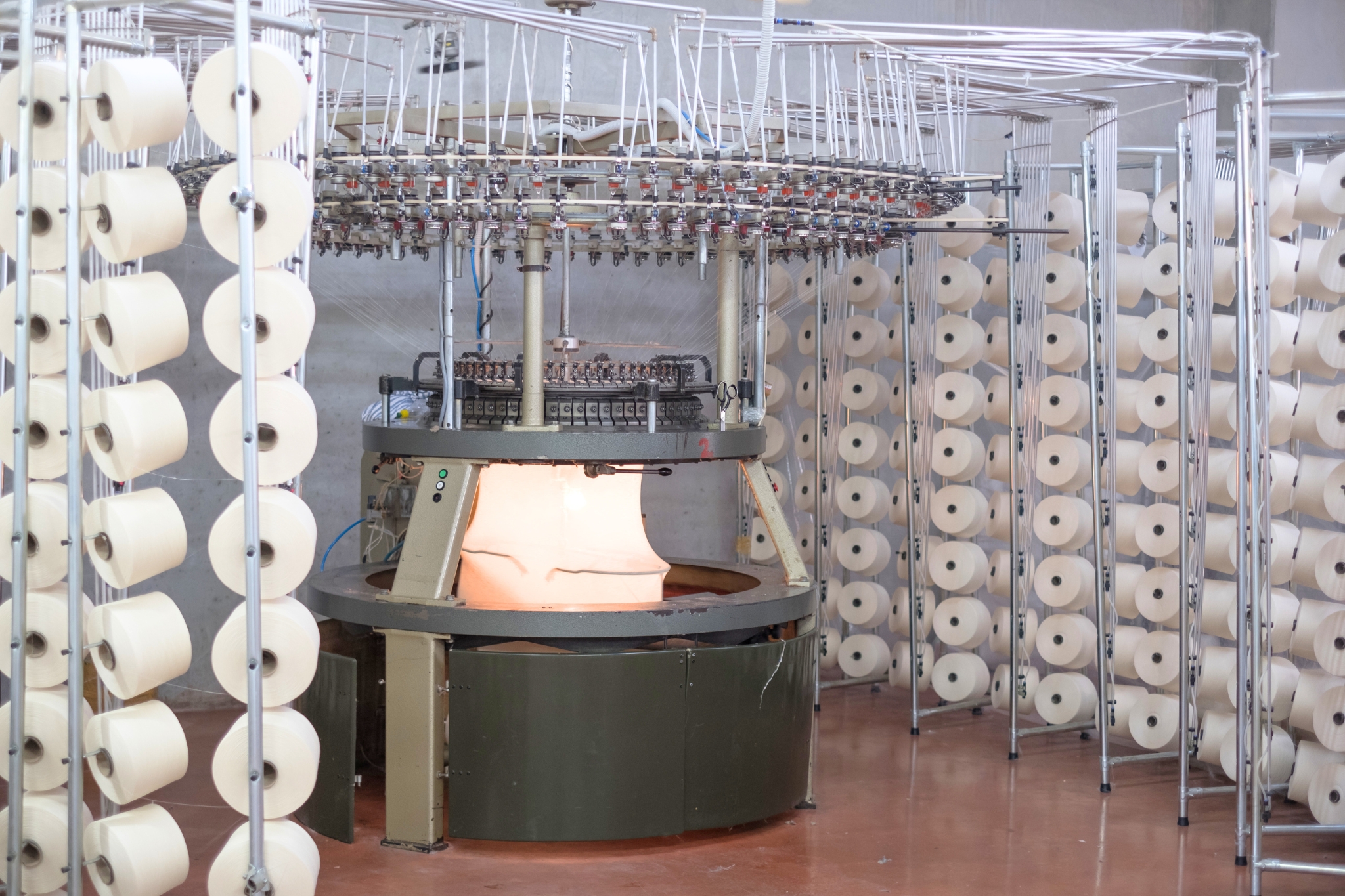
Fabric development is really two rounds of translation. The first translates the brand's needs into a technical spec. The second translates that spec into instructions the factory can follow. Both rounds are the fabric supplier's job — not the brand's.
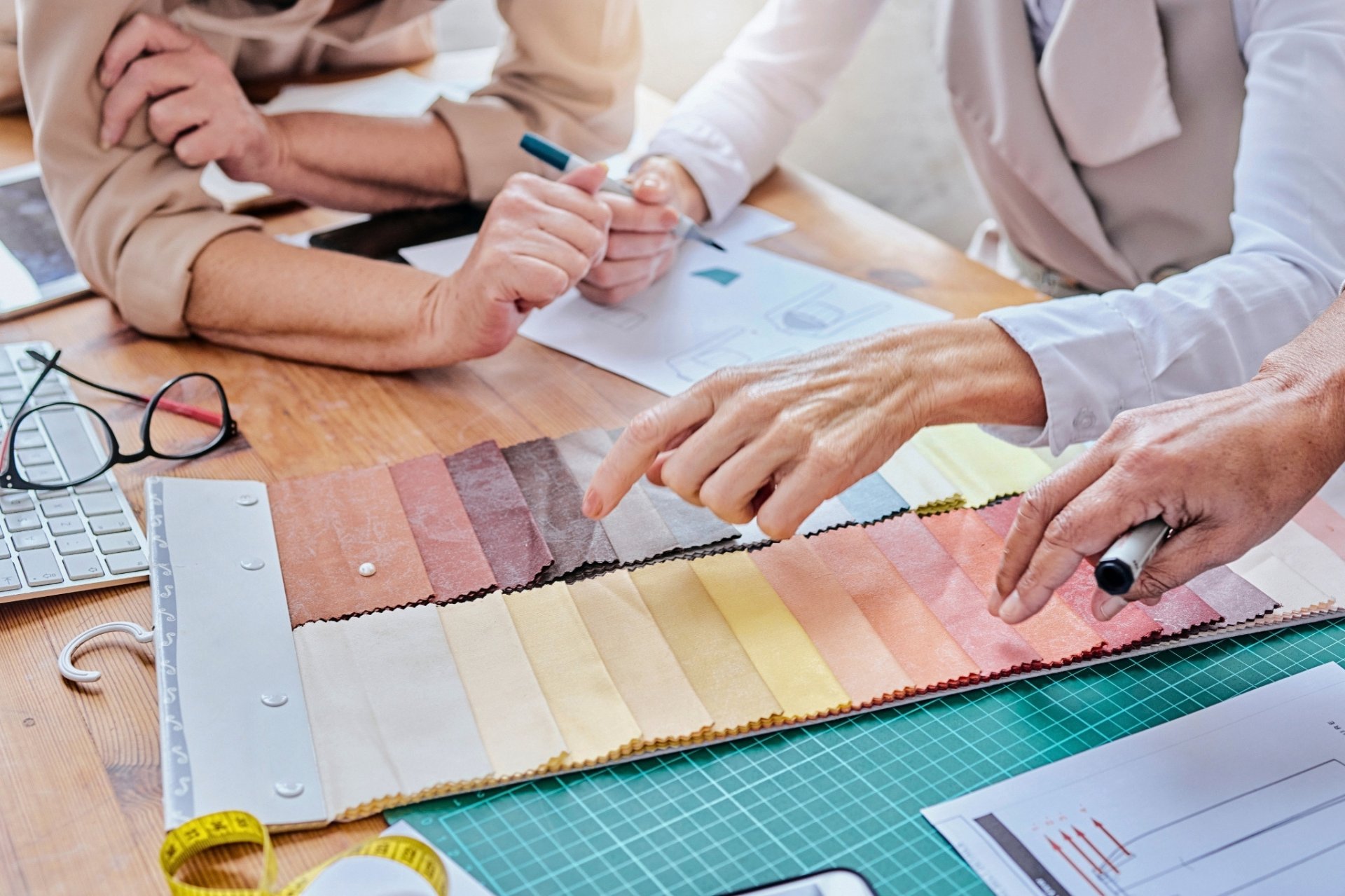
Once you have a spec, the sequence usually goes like this: knit or weave a small sample first, then match the color to the shade you want, then send it for the agreed property tests. If it fails, you go back, adjust, and try again — repeating until it passes and repeats well. Only then does it get cut into a sample product to test in real use, before the full production run.
How many rounds it takes can't be predicted on day one — that's why no one can give you a fixed timeline before they've seen your brief. All anyone can do is give you a rough estimate once they've heard the full picture.
-------------------------------------------------------------------------------------
Why Do Two Fabrics That Look the Same Take Different Time to Develop?
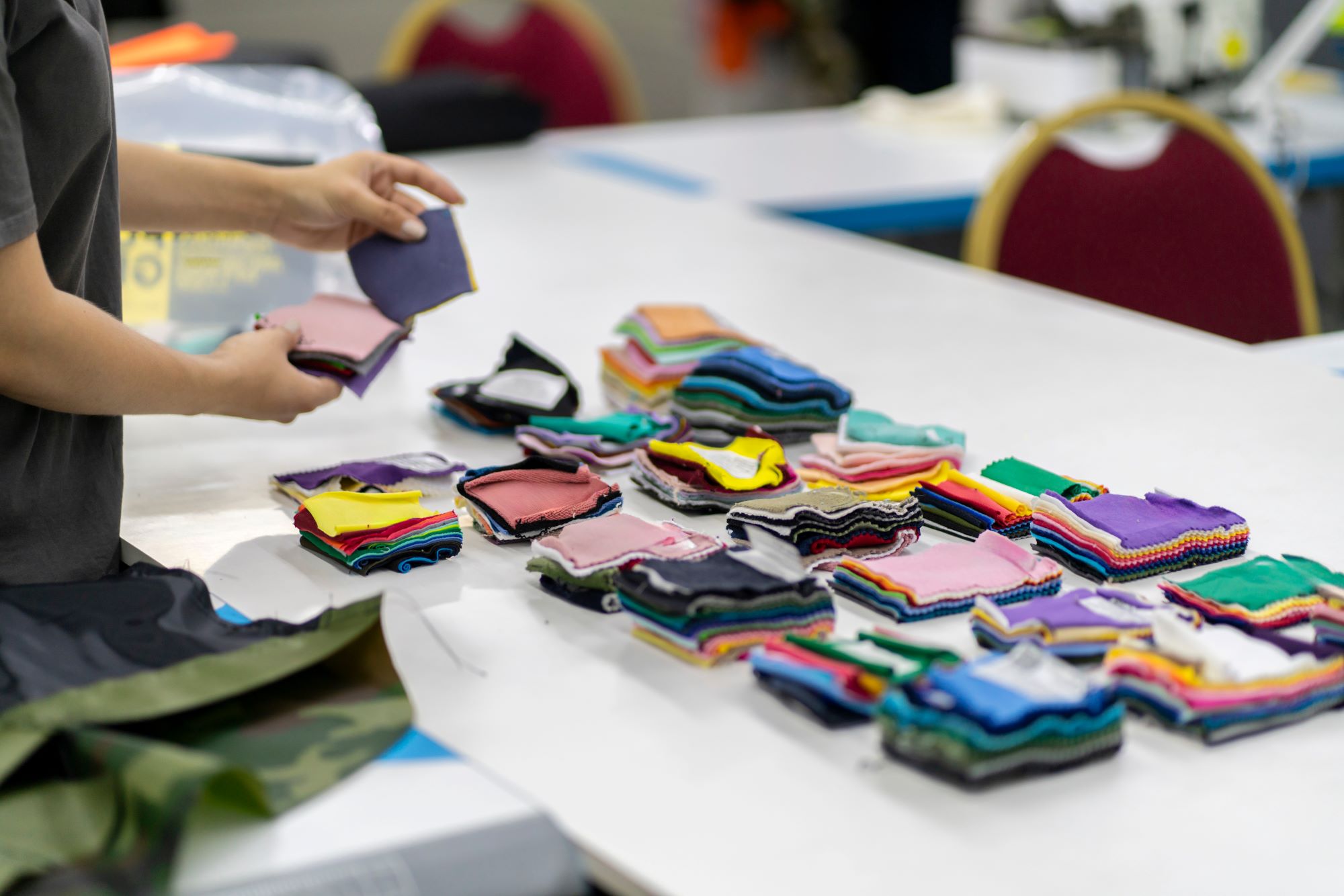
Because what eats up time isn't how the fabric looks — it's how many conditions have to come together in one fabric. A plain, solid-color fabric that only needs one property can be done fast. A patterned fabric that needs several properties at once takes multiples longer.
There are only a few things that drive the difference. Fiber type and blend ratio come first — every fiber takes color and finishing differently, so blending two or more fibers means finding a balance both sides can live with. Next is fabric structure. Woven and knit fabrics behave completely differently, and more complex structures take longer to set up on the machine.
Pattern is another thing people often overlook. A pattern woven or knitted directly into the fabric needs the machine reset and several trial runs before it comes out sharp and consistent — unlike a pattern printed onto finished fabric, which is much easier to adjust. The last thing is how many properties you need at once. The more conditions you add, the higher the chance two of them work against each other — for example, whatever makes fabric denser usually makes it less breathable. So development work is about finding a point both sides can live with, not pushing every single condition to its max.
-------------------------------------------------------------------------------------
Who Owns the Fabric and Pattern Once They're Developed? Can Competitors Order the Same One?

Ownership of fabric works on two separate layers. The first is the legal layer, which protects the pattern as a piece of design. The second is the business agreement layer, which decides who the factory can sell that fabric to. A fabric might have one layer, both, or neither.ได้
On the legal side, fabric patterns are no small issue in Thailand. Thailand's Department of Intellectual Property reported in March 2026 that in the first two months of 2026, there were 871 total design patent applications — up 3.81% from the same period in 2025. Fabric patterns ranked second at 93 applications, just behind packaging at 98, and 65% of applicants were Thai. That tells you filing for fabric-pattern protection is something Thai businesses take seriously — not just something foreign brands do.
There's another point the Department flags that's often misunderstood: copyright protection kicks in the moment you finish creating the work — no need to register it. Filing with the Department just gives you early evidence if a dispute comes up later. It's not required to have the right in the first place.
Fabric and Pattern Ownership: Two Different Layers
| Layer | What it protects | Do you need to register? | Effect on competitors |
| Copyright |
A pattern you designed, as a creative work |
No — protected the moment you create it; filing is optional, for evidence only |
Can't copy the pattern |
| Design patent | The product design you filed for | Yes — you must apply through the Department of Intellectual Property | Can't make a matching design within the scope you registered |
| Exclusive agreement with the manufacturer | Your right to be the sole buyer of that fabric or pattern | Not registration — but has to be signed in writing | Can't order the same fabric for the life of the agreement |
| Production know-how | Finishing formulas and production settings | No registration system exists | Hard to replicate even if they see the actual fabric |
The agreement layer is what decides this in practice. Whether a pattern gets reserved for one brand alone depends on what both sides agree and whether they sign it in writing — it doesn't happen automatically just because you're the one who designed it. Every deal's terms differ by volume, length, and agreed scope, so this is something to negotiate case by case before development starts — not after the fabric is done.
-------------------------------------------------------------------------------------
Where Do Failed Fabric Development Projects Usually Go Wrong?
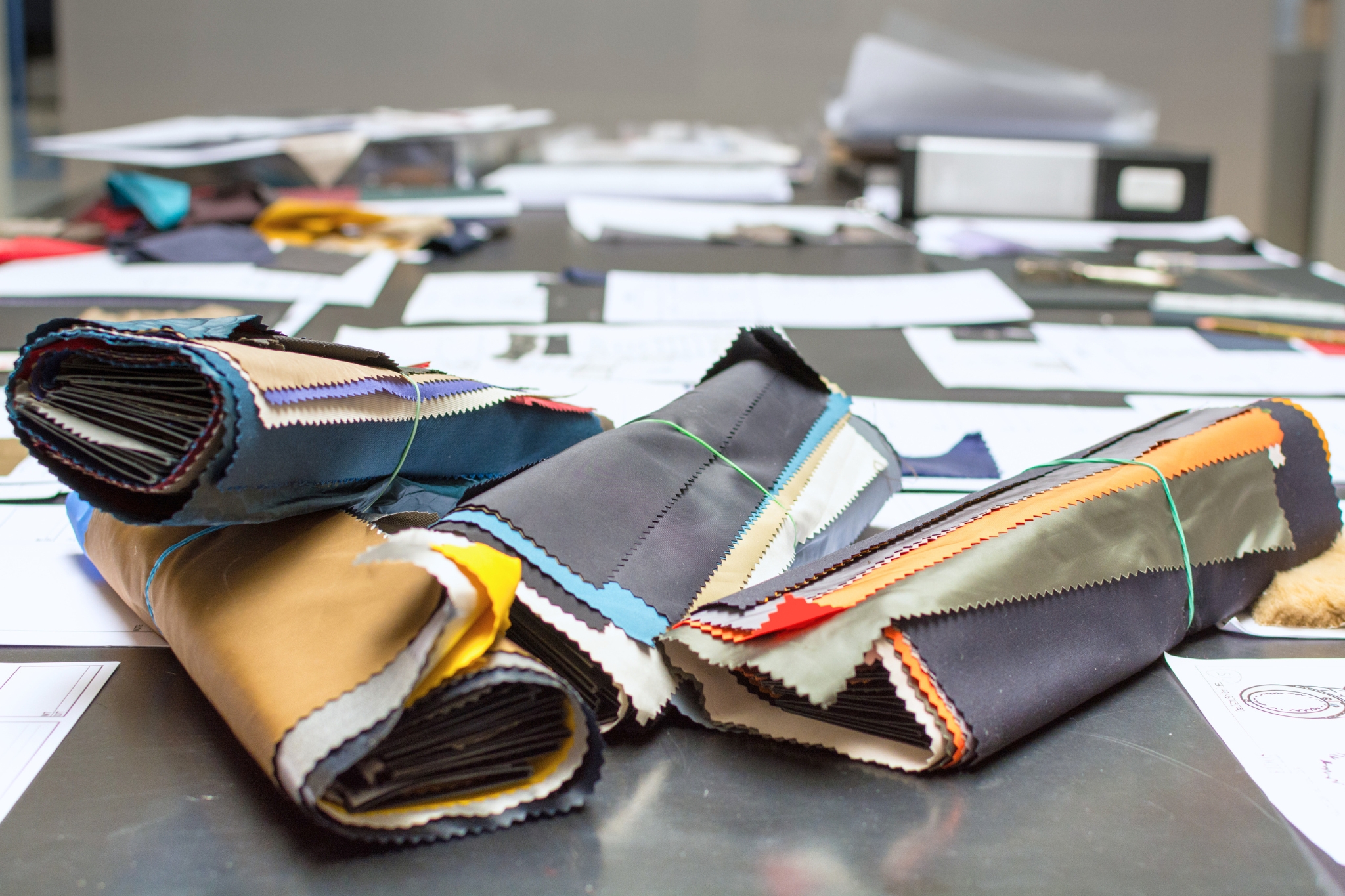
Fabric development projects usually don't fail because of technique — they fail because the brief keeps shifting. Development starts, then new conditions get added later, forcing everyone back to square one while the clock keeps running.
There are three recurring mistakes. The first is judging fabric only as a flat piece, without ever cutting it into a real product to test — even though customers see the fabric as a product, with seams, pockets, and elastic attached. The second is loving the fabric from a small sample, then finding you can't keep it consistent across every roll once you're running a full batch. That's a completely different challenge from getting it right once.
The third is forgetting to discuss ownership up front, then finding out later the fabric you worked hard to develop is also for sale to other buyers. All three are preventable by getting the order of the work right from day one — your fabric supplier's job to lay out, not yours to know.
-------------------------------------------------------------------------------------
Frequently Asked Questions
What do I need to prepare before reaching out about fabric development?
Just three things: what product you're making, who's going to use it, and where you want it to stand apart from what's already on the market. Bringing a fabric sample or a product you like speeds things up — it shows what you want faster than words can. All the technical spec work is what your one-stop fabric supplier writes up for you.
Can small brands develop their own fabric, or is it only for big players?
Yes — but choose where you put your effort carefully. Small brands that get good results usually don't start by building a whole new fabric from scratch. They start by tweaking existing fabric to fit their product: adjusting the weight, creating a specific color, or making their own pattern. It takes far fewer resources and still creates a difference customers can see.
Do I need to register a pattern I designed myself?
Copyright protection kicks in the moment you finish creating the work — no registration needed. A design patent requires filing an application. The two protect different angles, under different conditions. This is a legal question — take it to the Department of Intellectual Property or an IP specialist directly, separate from your fabric-factory agreement, which is its own layer.
Can I actually get a pattern no one else has?
Yes — but it depends on the agreement you sign, not on who designed the pattern. In practice, you talk before development starts about whether that pattern gets reserved for you alone, how exclusive it'll be, and for how long — then you put it in writing. Every deal's terms are different, so this gets negotiated case by case.
Is fabric development different from custom brand coloring?
Very different. A custom color changes what people see. Fabric development changes what the fabric can do. Custom color is faster and takes far fewer resources, which makes it a good starting point for brands that want their own identity first, then move on to performance later.
If I'm not ready to develop my own fabric, where do I start?
Start by laying out your full brief, then let your fabric supplier walk you through what already exists and what needs developing. Often, the answer is that custom-made fabric isn't necessary this round — fabric in Thailand offers more options than most brands have seen, which saves both time and budget. Fabric development is only worth it when you have a need market fabric genuinely can't meet, and you reorder often enough to justify the effort.
-------------------------------------------------------------------------------------
BCL 2002 is a full-service fabric supplier in Thailand, working with clothing brands and garment factories on everything from choosing existing fabric, to developing technical fabric and patterns to your spec, to putting pattern-ownership agreements in writing. If you're planning to buy fabric in Thailand for your next collection, or thinking about custom fabric manufacturing in Thailand as your own, just reach out and tell us your brief. We'll handle the rest.
-------------------------------------------------------------------------------------
Limitations of This Information
This article explains how fabric development works in general terms. It doesn't state timelines, minimum order quantities, or prices as fixed numbers, because those vary by fabric type, pattern, structure, and how many properties you need. The international brand examples are based on information those companies published themselves, and don't mean the same fabric is available to order in Thailand. The copyright and design patent content is a general overview, not legal advice. The statistics here cover the first two months of 2026 and may change in the next reporting period.
-------------------------------------------------------------------------------------
References
- Department of Intellectual Property, Ministry of Commerce. Intellectual property registration statistics, first two months of 2026. Published March 19, 2026.
- Copyright Act B.E. 2537 (1994) and Patent Act B.E. 2522 (1979), Department of Intellectual Property.
- Information on the UNIQLO and Toray Industries partnership, published by both companies (uniqlo.com/lab/heattech and toray.com/partnership/uniqlo).
- Information on Yulex natural rubber development, published by Patagonia (patagonia.com/our-footprint/yulex and Patagonia Works press releases, 2024).
- History of the 1969 discovery of ePTFE by Robert W. Gore, published by the Science History Institute and the National Inventors Hall of Fame.