What Is Recycled Fabric? A New Choice for Sustainable Fashion Brands
What Is Recycled Fabric? A New Choice for Sustainable Fashion Brands
In today’s fast-changing world, the fashion industry is also evolving to embrace sustainability. One of the trends gaining popularity is the use of recycled fabric, an alternative that addresses both environmental conservation and the growing demand for more responsible fashion brands.
In this article, we’ll explore what recycled fabric is, its benefits, and how fashion brands can incorporate recycled fabrics into their products to promote sustainability within the fashion industry.
What Is Recycled Fabric?
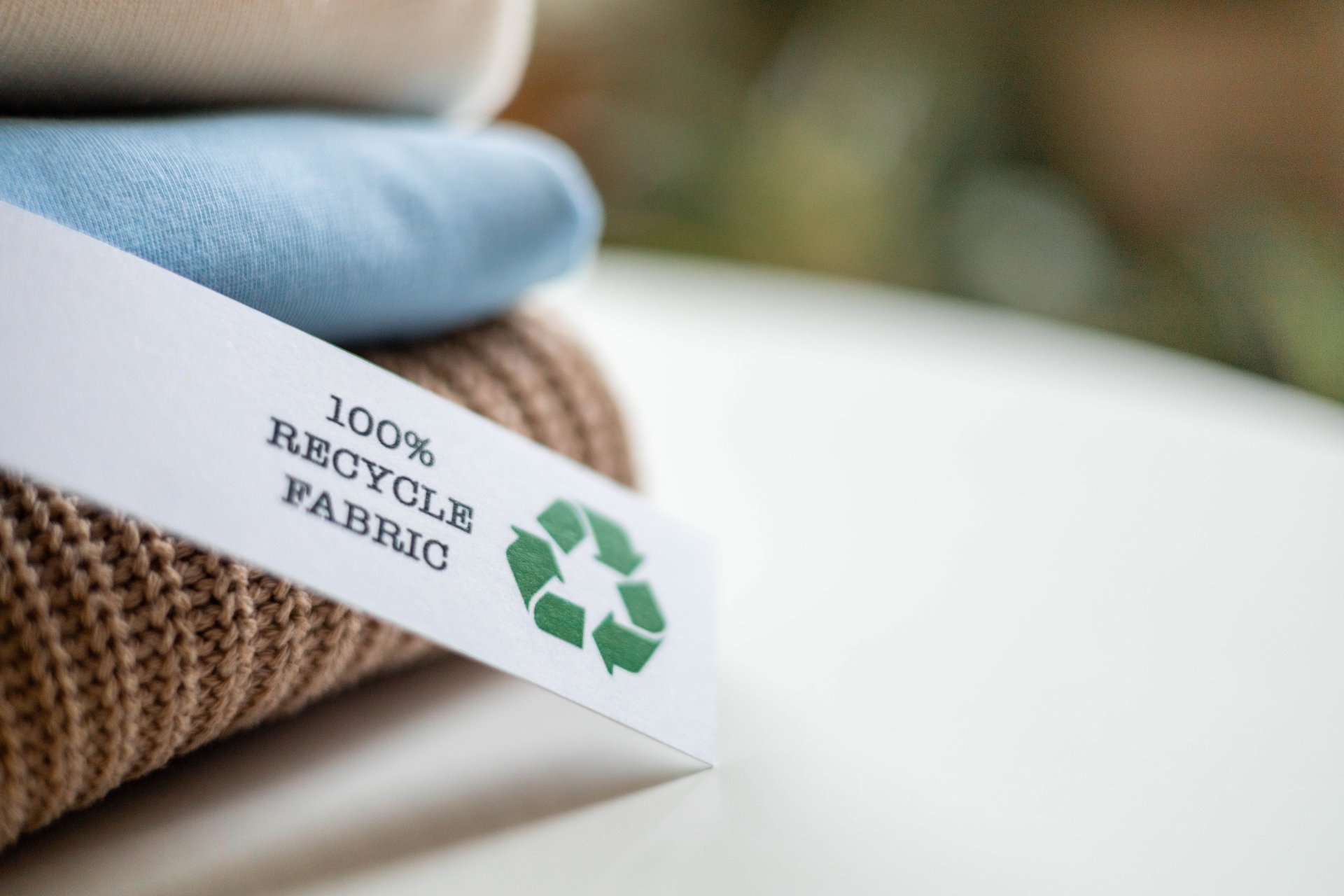
Recycled fabric is made from previously used materials or textiles, such as discarded clothing or leftover materials from manufacturing. These materials are processed and transformed into new fabrics that can be used to create new products or garments. Recycling textiles helps reduce the consumption of natural resources and minimize waste and pollution.
The Recycled Fabric Production Process
The production of recycled fabric involves several carefully managed steps. It begins with collecting used textiles or leftover materials from manufacturing. These materials are then washed and cleaned to prepare them for recycling. Next, they are processed and reinforced to ensure they are suitable for use in new products.
This process not only helps reduce waste and the consumption of new resources but also allows brands to strengthen their commitment to environmental sustainability.
Benefits of Using Recycled Fabric in Fashion
1. Reduce Environmental Impact
The fashion industry is one of the major contributors to waste and resource consumption, particularly through the production of garments using newly sourced materials. Recycled fabrics can help reduce the demand for new materials and minimize emissions associated with manufacturing.
2. Use Resources More Efficiently
Turning discarded materials into new fabrics can help conserve natural resources such as water and energy, which are essential for producing new textiles. Using recycled fabrics allows brands to make more efficient use of resources and potentially reduce production costs.
3. Build a Positive Brand Image
การใช้ผ้ารีไซเคิลไม่เพียงแต่ส่งเสริมการอนุรักษ์สิ่งแวดล้อม แต่ยังช่วยให้แบรนด์แฟชั่นมีภาพลักษณ์ที่ดีในสายตาของผู้บริโภคอีกด้วย นอกจากนั้นการเลือกใช้วัสดุที่ยั่งยืนสามารถดึงดูดลูกค้า ที่ต้องการสนับสนุนผลิตภัณฑ์ หรือสนับสนุนผู้ผลิตที่ใส่ใจสิ่งแวดล้อม
4. Reduce Waste in the Circular Economy
Recycled fabrics help prevent unwanted textiles from being discarded by giving them a new and useful purpose. This contributes to reducing waste accumulation and supporting a more circular approach to the economy and ecosystem.
4 Guidelines for Using Recycled Fabric in Fashion Brands
For fashion brands looking to incorporate recycled fabrics into their products, a good starting point is to select high-quality recycled materials and work with manufacturers or factories that use efficient and environmentally responsible production technologies.
1. Choose High-Quality Recycled Fabrics
Brands and businesses should prioritize high-quality recycled fabrics to ensure that their products are durable and designed for long-term use. This can help reduce unnecessary consumption and frequent replacement.
2. Design with Sustainability in Mind
Products made with recycled fabrics should be designed with longevity and easy maintenance in mind, without compromising aesthetics or functionality.
3. Promote the Use of Recycled Fabrics
Communicating and educating consumers about the use of recycled fabrics can increase market awareness and build customer confidence. Clear communication helps customers understand that they are supporting a brand committed to environmental sustainability.
4. Build Relationships with Consumers
Fashion brands can build stronger relationships with customers by communicating their commitment to environmental responsibility and their use of eco-friendly recycled fabrics. This can help brands connect with a wider range of consumers, not just younger audiences.
Conclusion
Recycled fabric is an emerging option that can help drive the fashion industry toward a more sustainable future. Using recycled materials not only helps reduce the consumption of natural resources but can also contribute to building a positive and sustainable brand image. It is a suitable choice for brands committed to environmental conservation.
In addition, adopting recycled fabrics can be an important first step for brands looking to transform and develop their businesses toward greater sustainability. By communicating the value of recycled fabrics through quality product design and transparent communication with customers, brands can build stronger relationships with consumers while promoting greater environmental responsibility.
BCL 2002, for example, places importance on using high-quality and sustainable materials in its manufacturing processes.
Therefore, recycled fabric is one of the options that can help strengthen a brand’s credibility in a market where consumers are increasingly conscious of environmental sustainability.