6 Ways to Choose Sustainable Fabrics in Thailand
6 Ways to Choose Sustainable Fabrics in Thailand
Choosing a sustainable fabric the right way means choosing the evidence, not the marketing claim. "Sustainable" has no legal definition. Anyone can print it on a label. What you can actually check comes in three layers: the fiber, the production process, and certification documents you can trace back.
Here are the six ways that work in practice:
- Know that sustainable fabric splits into four groups, and that each group needs different evidence.
- Know what each certificate certifies, and what it doesn't.
- Write marketing claims you can prove with evidence you already have.
- Look at the dyeing and finishing, not just the fiber.
- Get every document before you open a purchase order.
- Work out whether to buy ready-made fabric or order custom fabric in Thailand to your own spec.
Start with 1 and 2. That tells you what the fabric in front of you can actually prove. Then go to 3 before you write anything on a label or a product page. Writing the marketing claim first and hunting for evidence afterwards is where brands waste the most time.
-------------------------------------------------------------------------------------
How Many Groups of Sustainable Fabric Are There? Always Start with the Fiber
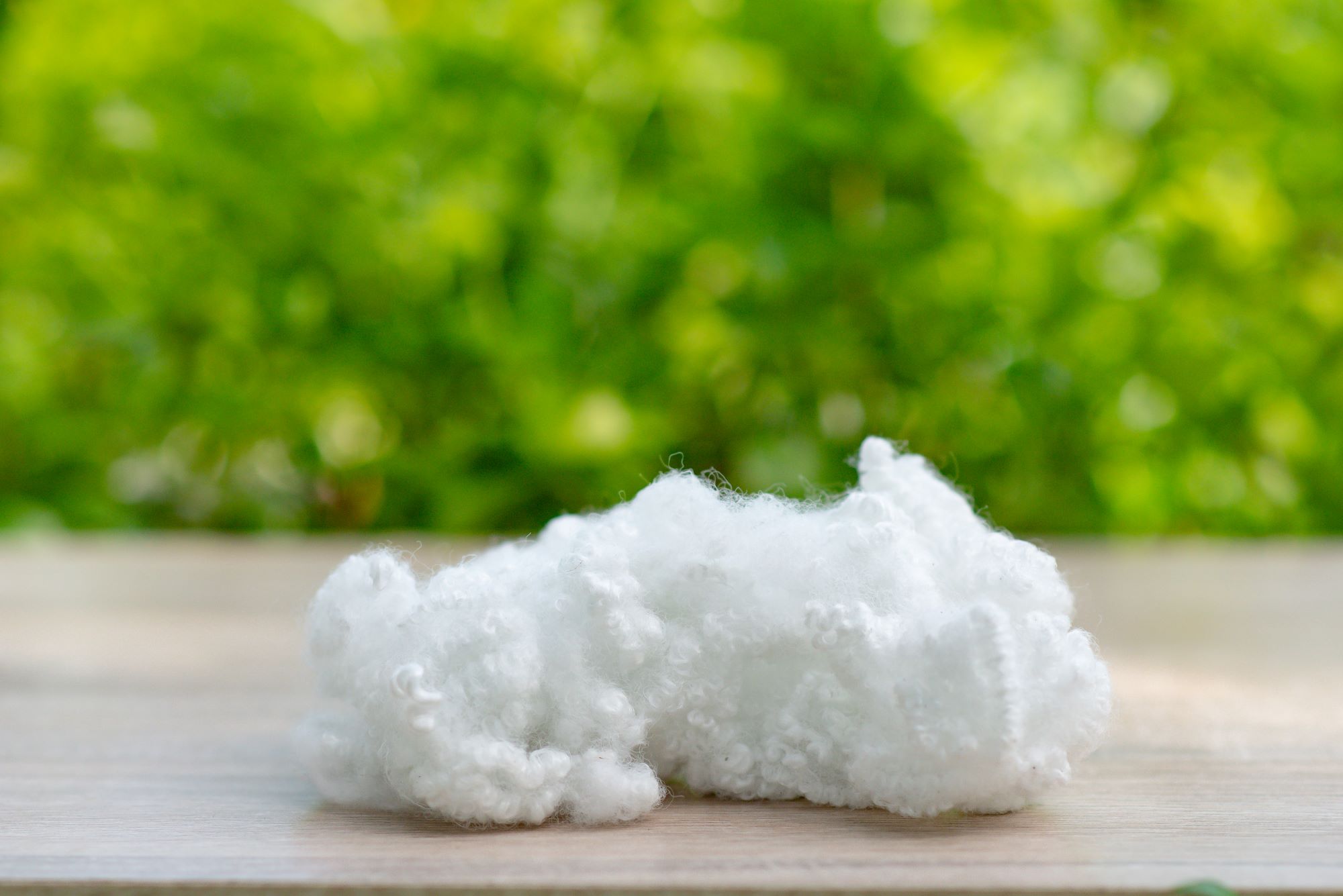
Sustainable fabric isn't a type of fabric. It's an umbrella term for fabric that cuts environmental impact at one point in its life cycle. That point might be the start, meaning the raw material. It might be the middle, meaning production. Or it might be the end, meaning what happens once the product is finished with. So two fabrics can both be called sustainable, cut impact at completely different points, and not be comparable at all. Once you know which of these four groups your fabric sits in, you'll know straight away what evidence to ask for.
4 Groups of Sustainable Fabric
- Recycled fibers — Made from materials that have already been used, or from production scrap. The most common are recycled polyester from plastic bottles and recycled nylon. The strong point is that they behave much like ordinary fibers, so you can switch to them without redoing your patterns.
- Natural fibers with certified growing — Organic cotton, linen, hemp. What sets them apart from ordinary natural fibers is the certificate, because you can't tell organic cotton from ordinary cotton by eye, or by testing the finished fabric.
- Closed-loop wood pulp fibers — Lyocell. It's made with a process that captures the solvent and uses it again. For this group, ask for the name of the production process and where the wood pulp came from. The fiber name on its own isn't enough.
- Synthetic fibers designed to break down faster — The formula is adjusted so microbes break them down faster than ordinary synthetics once they end up in the environment. This is the group to check hardest, because "biodegradable" means nothing if nobody states the environment, the test method, and the time.
The 4 Groups of Sustainable Fabric Compared
| Group | Where the impact is cut | Evidence to ask for | Limits you need to know |
| Recycled fibers |
Upstream — reduces the use of virgin raw materials | GRS or RCS certificate + the lot document | Doesn't make the fabric break down faster, and it still sheds microfibers in the wash just like ordinary fabric |
| Natural fibers with certified cultivation |
Upstream — how it was grown | GOTS certificate, or another growing standard you can cite | Higher cost, comes in smaller quantities, and can't be checked after the fact |
| Closed-loop cellulosic fibers |
Midstream — the production process | Name of the production process, source of the wood pulp, chemical safety documents | Still goes through chemical processing. Not a purely natural fiber |
| Synthetics designed to break down faster |
Downstream — after end of use | Test reports specifying the method, environment, duration, and testing laboratory | Not the same thing as fabric that breaks down into compost. Never use the two terms interchangeably |
If you're not sure about the basics of fiber and fabric construction, read Fabric Types Explained: A Guide to Choosing the Right Fabric for Your Brand
-------------------------------------------------------------------------------------
Method 2: What Does Each Certificate Certify, and What Doesn't It?
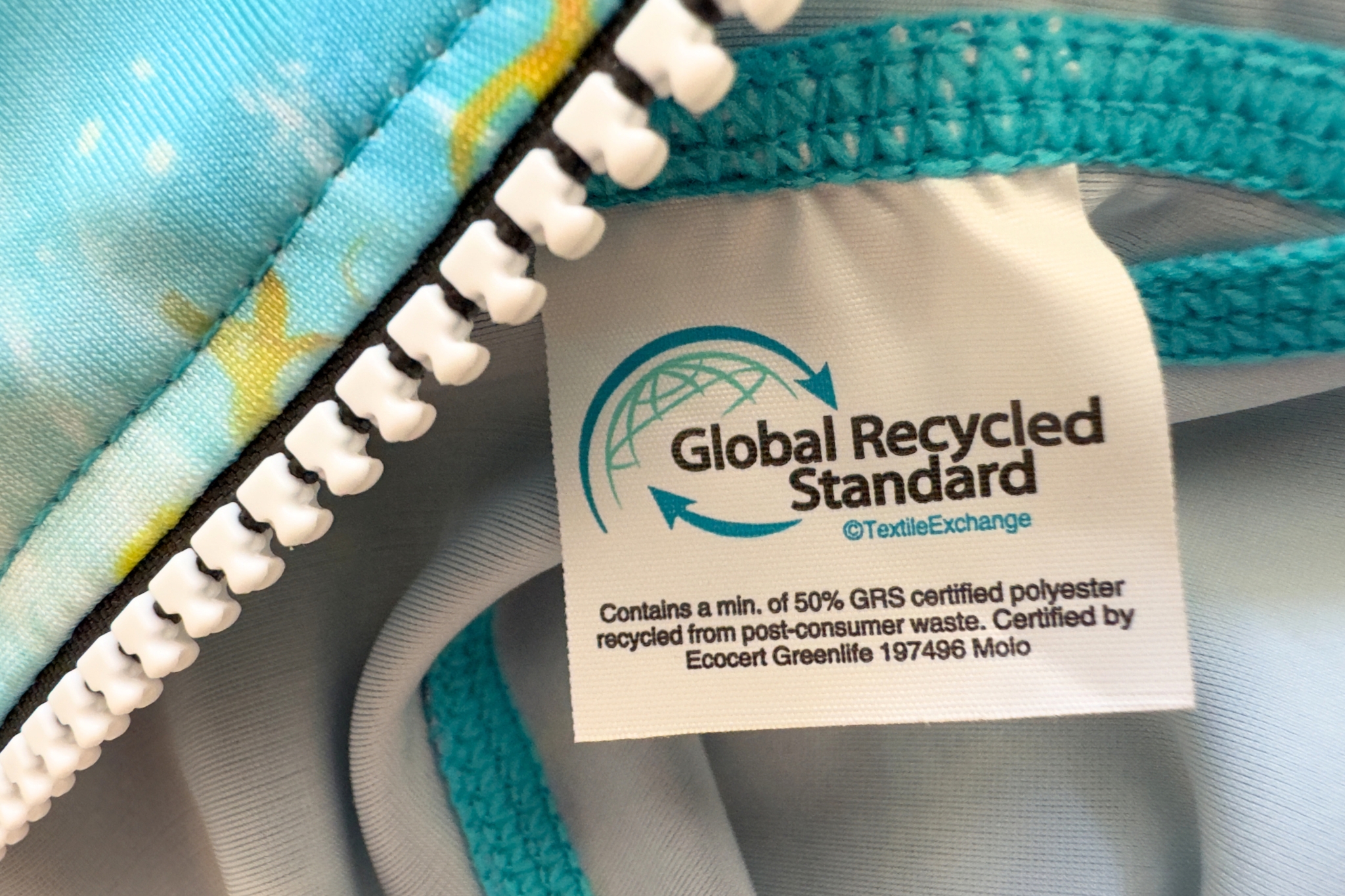
Every certificate answers a different question, and none of them certifies that a fabric is sustainable overall. The most common mistake is using a chemical safety certificate to answer a question about recycled material. Corporate buyers catch that immediately, in the first round of talks. The other thing people miss: the certificate you get handed is usually a certificate for the facility, and that doesn't confirm the lot you're buying sits inside the certified scope. What confirms that is the lot document issued against the actual sale.
Certificates You'll See Often in Thai Fabric and Export Markets
| Certification | What It Certifies | What It Does Not | What You Should Check |
| GRS (Global Recycled Standard) |
Recycled content + environmental, social, and chemical conditions | Doesn't certify that the fabric breaks down, or that it's safe on skin | The recycled percentage actually stated in the lot document, and the rules for using the mark on products |
| RCS (Recycled Claim Standard) |
Recycled content and traceability only | No social or chemical conditions like GRS has | Same as GRS, but know that it doesn't cover social and chemical conditions |
| GOTS (Global Organic Textile Standard) |
Organic fiber percentage + chemical and labor conditions | Doesn't cover synthetic fibers, doesn't certify recycled material | The label grade the product got, and the organic fiber percentage stated in the documents |
| OEKO-TEX® STANDARD 100 |
Fabric and its components hold no harmful substances above the limits | Doesn't certify sustainability, recycled material, or organic fiber | The scope it covers, and whether that includes yarns and trims |
Each system has its own minimum requirements and its own label levels. They get updated from time to time, and they're not the same for business documents as they are for labels aimed at consumers. Before you plan what to claim on a product, ask the certification body, or the supplier holding the certificate, for the current requirements.
-------------------------------------------------------------------------------------
Method 3: How Do You Write Marketing Claims You Can Prove?
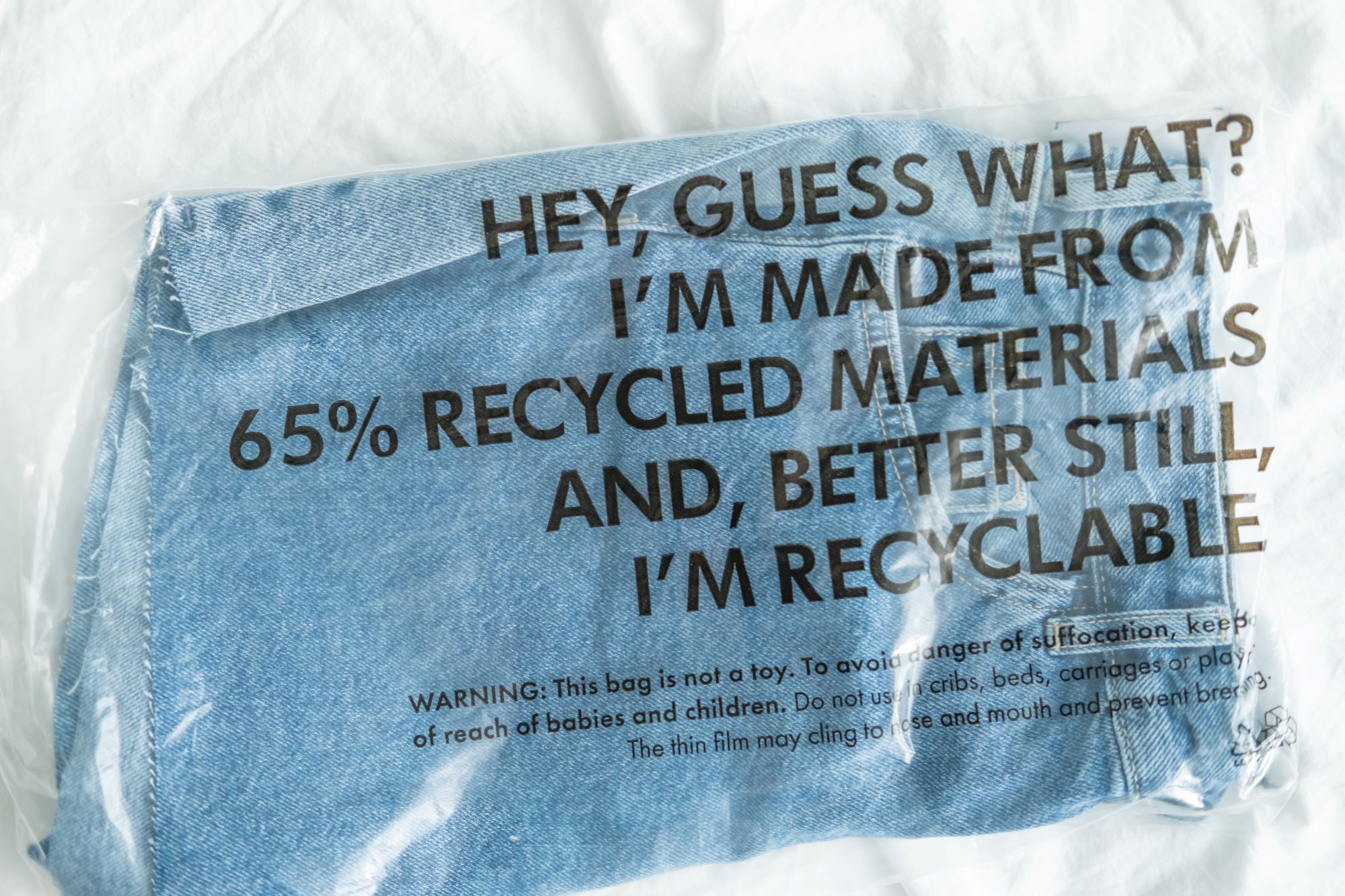
The safest thing you can put on a label is a sentence that points straight back to a document you're holding. The trouble with a phrase like "environmentally friendly" isn't that it sounds too good. It's that it doesn't say what's being reduced or where, so you can't prove it. And when you can't prove it, corporate buyers will ask for more documents, consumers won't believe you, and your brand risks looking like it's greenwashing without meaning to.
The fastest check is to take your copy one sentence at a time and ask: what's the document behind this sentence called, and which file is it in? If you can't answer in ten seconds, that sentence isn't ready for a label. The table below turns wording you can't prove into wording you can.
Wording to Avoid, Wording That Works, and the Evidence You Need
| Instead of saying | Write this | Evidence you need in hand |
| "Environmentally friendly" or "sustainable", left hanging on its own |
Say exactly what's cut and where, like "made with 60% recycled polyester" |
Recycled material certificate + the lot document |
| Biodegradable | Specify the environment and test method, such as “Tested for biodegradation in soil according to ASTM D5988” | Report from an outside lab stating the method, the year tested, and the conditions |
| Compostable | Only when it's been tested to a composting standard, which is a completely separate set of standards | Report to a standard like ASTM D6400 or EN 13432 |
| "Solves the microplastic problem" | Cuts the shedding of microfibers, or cuts how long it stays in the environment | Test results stating the measurement method and the wash conditions |
| A sustainability label designed by the brand itself | Only marks from certification systems with an outside body checking them | A certificate that hasn't expired and can be checked in the database |
One more thing to watch: wording that works in a business document doesn't always work on a product label. A B2B document goes to a reader who can check the evidence themselves. A product label goes to a consumer who can't. The bar isn't the same in both places, so keep two separate sets of wording from the start.
-------------------------------------------------------------------------------------
Method 4: Dyeing and Finishing Is Where the Impact Actually Happens
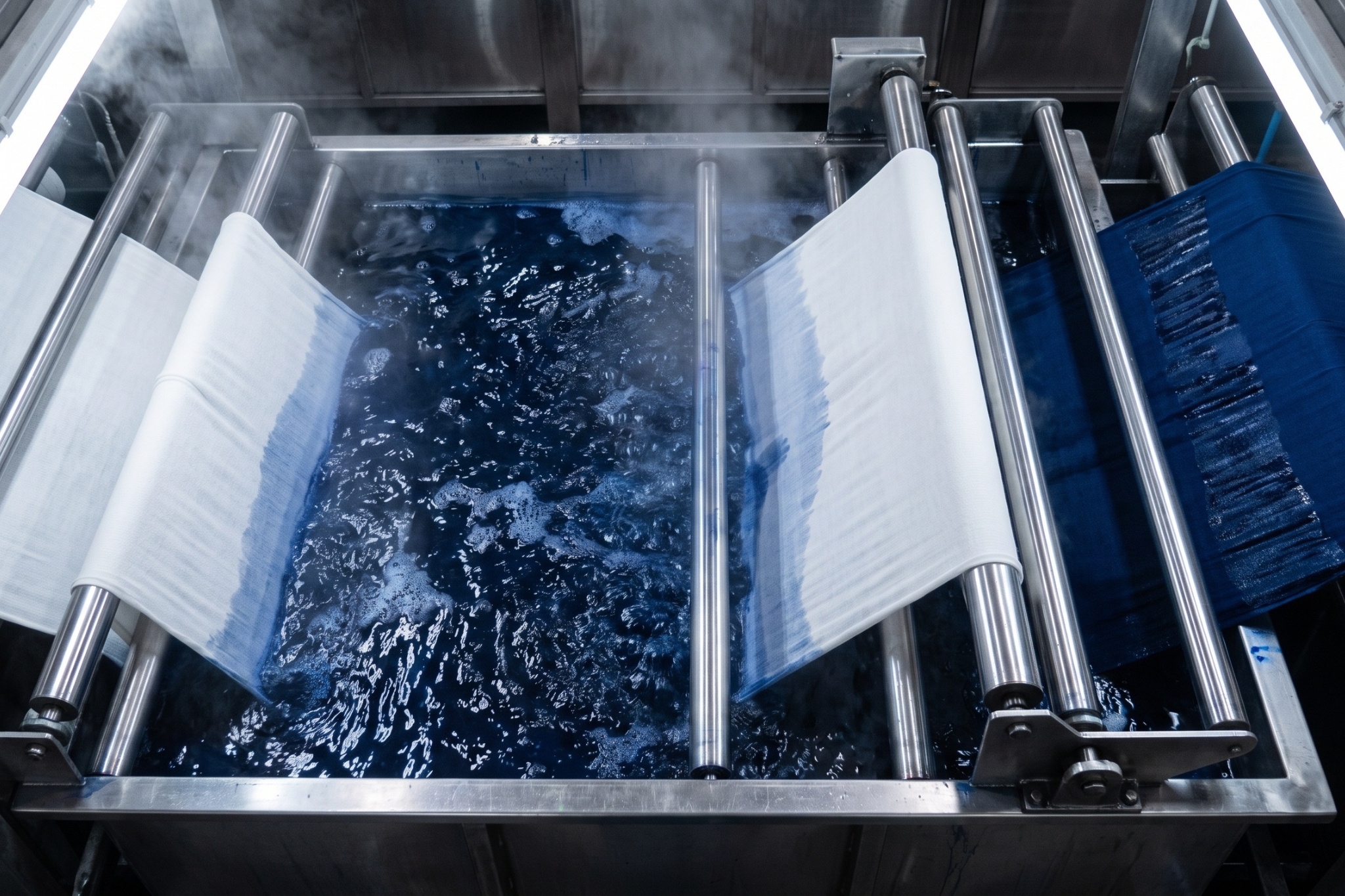
A fabric made from sustainable fiber, then dyed and finished with no controls in place, still creates more impact than the fiber saves. Dyeing and finishing are the most water- and chemical-intensive stages in the whole fabric production line, and they're the stage corporate buyers are asking for documents on more and more. Brands still tend to check the fiber and skip straight past it.
The questions to ask your supplier here aren't hard technical ones. A factory that really handles this can answer them on the spot.
- What kind of wastewater treatment does the dye house use, and are there test reports for the discharge?
- If you need water-repellent fabric or fabric with a specific function, is there an option that doesn't use PFAS? More markets are restricting this group of chemicals.
- Can dark colors be dyed right at the fiber production stage? That uses less water than dyeing the finished cloth.
A Question Brands Are Only Just Starting to Get: Microfiber Shedding
Synthetic textiles shed microfibers in the wash, and corporate buyers are starting to ask about it during spec review. This connects to something people rarely talk about: how long a fabric lasts is an environmental factor in itself. Fabric that pills and loses its shape quickly makes people buy again sooner. So picking the tougher fabric, even at a slightly higher price per yard, is usually better for both your total cost and the environment.
-------------------------------------------------------------------------------------
Method 5: Method 5: The Documents to Ask For Before You Order Fabric in Thailand
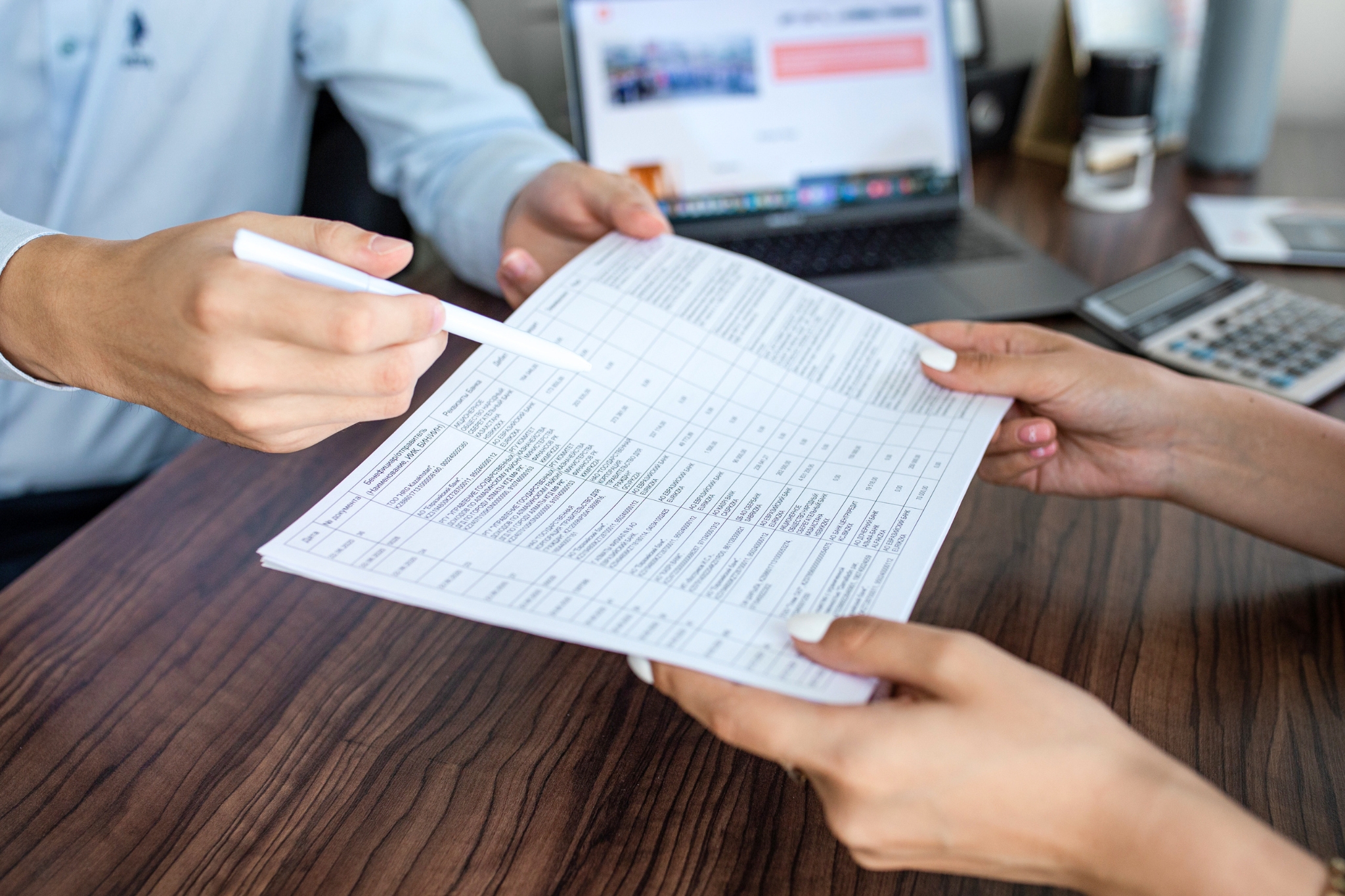
Ask for the documents before you open the purchase order, not after the fabric reaches the garment factory. A lot of certification documents can't be issued after the fact — that's how the certification systems work. Here's the minimum set you should have:
- A spec sheet with the fiber content as numbers, the fabric weight, and the width
- A facility certificate that hasn't expired, with a number you can check in the certification body's database
- The lot document issued against the actual sale, confirming this lot sits inside the certified scope
- Test reports stating the test method, the year tested, and the name of the lab — not a summary that only says it passed
- Where the raw material came from and which production stages it went through, for brands that have to answer questions from corporate buyers
If you run several product lines, the advantage of working with a fabric supplier in Thailand that handles everything in one place is that the whole document set comes through one channel, in one format. Buy from several suppliers instead and you'll be collecting documents in different formats and reorganising them yourself every time a buyer asks to see them.
-------------------------------------------------------------------------------------
Method 6: Can't Find Fabric That Matches Your Spec? Should You Order Custom Fabrics in Thailand?
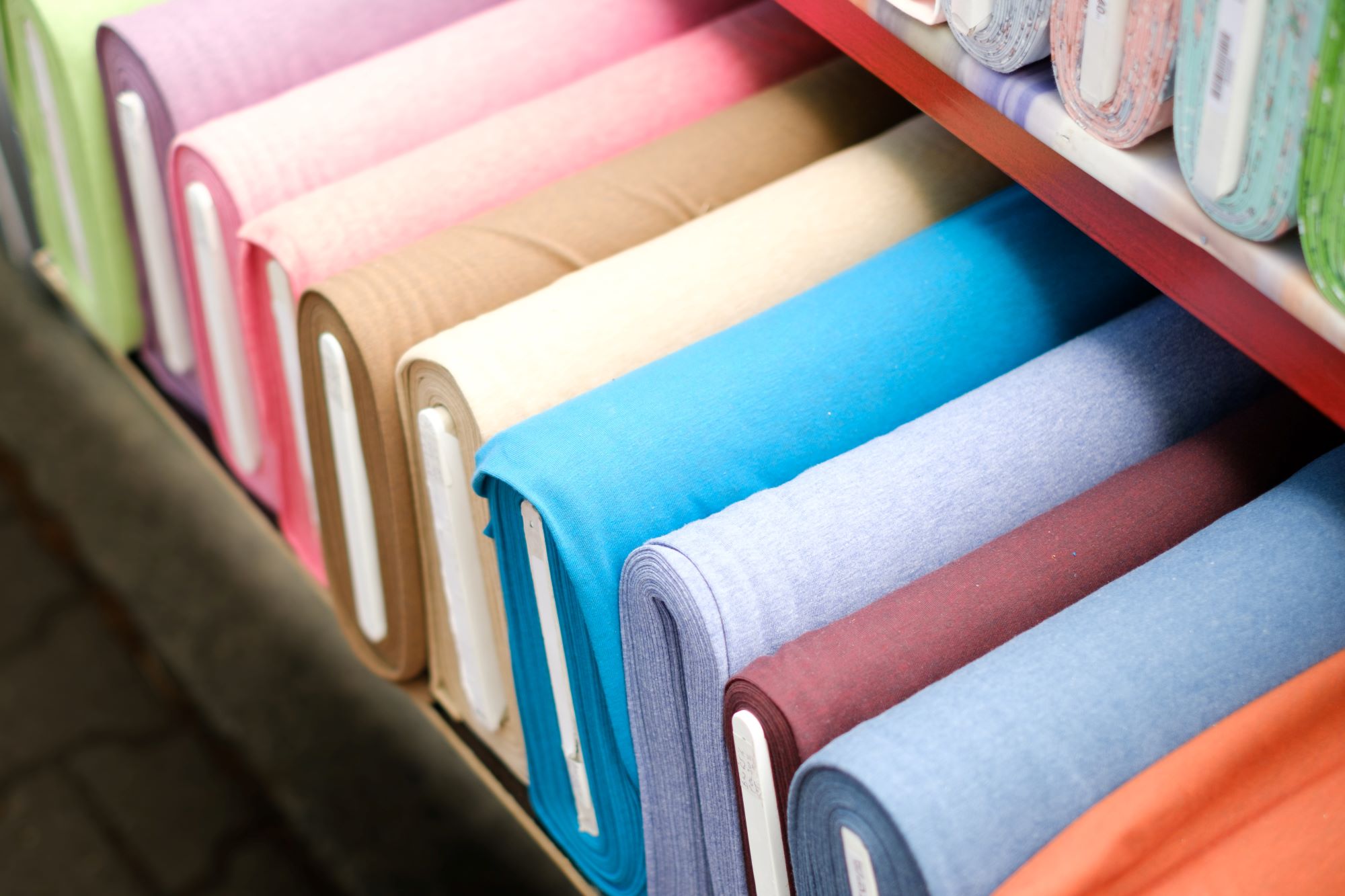
If ready-made fabric on the market meets less than 80% of the spec you need, ordering custom fabric in Thailand to your own spec is usually worth more in the long run. What you trade for it is a higher MOQ and a longer development time. The difference that matters most is control. Buying ready-made fabric means taking the fiber content and the process the manufacturer already set. Developing fabric to your own spec lets you set the recycled percentage and the document requirements from the start.
Ready-Made vs Custom Fabric: What Changes for Sustainability
| Category | Ready-made fabric on the market | Custom fabric to your spec |
| Control over material content |
You take what the manufacturer sets. You can't adjust it |
You set it yourself, so you can hit the level a label requires |
| Certification documents | Only what the manufacturer already has | You can put your document requirements in the agreement from the start |
| Minimum Order Quantity (MOQ) | Lower | Higher, and often counted separately by color — ask the sales team for the real number |
| Lead time | Shorter, because it's in stock | Longer, because it includes development and sample approval — ask the sales team for the real number |
| Best suited for | New brands, or testing the market with a new collection | Brands with steady repeat orders, or ones that want a point of difference competitors can't copy easily |
-------------------------------------------------------------------------------------
Frequently Asked Questions (FAQ)
Is Sustainable Fabric the Same as Recycled Fabric?
They're different. Recycled fabric is one of the four groups of sustainable fabric. The two aren't interchangeable. Swapping them around means the certificates you ask for won't match what you actually need to prove.
Organic Cotton or Recycled Polyester — Which One Is Better for the Planet?
You can't compare them directly, because they cut impact at different points. Organic cotton cuts impact at the growing stage. Recycled polyester cuts the use of new raw material, but it still sheds small fibers in the wash just like ordinary polyester. Decide from the product. Products that touch the skin and get washed often usually suit certified natural fibers. Products that need to be tough and dry fast usually suit recycled fibers.
How Do I Start Buying Certified Fabric in Thailand?
Start with the market you're selling into and the message you want to send, then work backwards to which certificate you need. Every certificate has a different scope and different requirements. Pick the fabric first and check what you can claim afterwards, and you'll usually end up with fabric that has a full document set but doesn't match what you wanted to say.
What Do I Need to Prepare Before Ordering a Custom Sustainable Fabric in Thailand?
Three things: the requirements of the market you're selling into, the performance spec of the product, and an order volume plan clear enough to talk MOQ. Ordering custom fabric isn't like buying ready-made. Samples have to be approved in stages, both color samples and fabric samples, before bulk production. MOQ and lead time change with the fabric type and the color, so ask the sales team from the first conversation.
Can I Put "Eco-Friendly" on a Product Label?
You can, but don't leave it hanging on its own, because it doesn't say what's being cut or where. That makes it impossible to prove. Better to replace it with wording that points back to a document, like naming the type and percentage of recycled material you used.
One more thing worth knowing: having a certificate in hand doesn't automatically make the wording on your label correct. A certificate only confirms what sits inside its own scope. If the label says more than that, the extra part still has nothing behind it.
Do Biodegradable Fabrics Really Exist, and How Do You Tell It Isn't Greenwashing?
There are fibers genuinely designed to break down faster. But the word "biodegradable" on its own doesn't mean enough to buy on. What separates the real thing from greenwashing is a test report stating all three: the environment tested in, whether that's soil, seawater, or without oxygen; the test method used, which covers the ASTM and ISO sets as well as methods made specifically for textiles; and the length of time measured.
You also have to keep it clear that breaking down isn't the same as breaking down into compost. If a supplier can't answer those three, treat it as having no evidence at all.
BCL 2002 is a fabric supplier in Thailand handling the whole range in one place. We work with brands and garment factories from choosing the spec through to developing specialty fabric for specific requirements. If you're planning to buy fabric in Thailand, or thinking about ordering custom fabric in Thailand to your brand's own spec, get in touch with our team for advice on specs, the documents to prepare, and fabric samples.
-------------------------------------------------------------------------------------
Limits of This Information
This article explains what each certification system covers, but doesn't give minimum requirements as numbers, because those conditions get updated from time to time and differ by label level. Ask the certification body for the current version before you cite anything in commercial documents. It also doesn't cover the legal requirements around environmental claims in each export market. Those are a separate matter from the conditions of the certification systems, and should be checked on their own before you export. The questions to ask suppliers, and the test for whether to buy ready-made or order custom, come from practical experience in the industry rather than a standard set by any authority. This article doesn't give MOQ figures, production lead times, or prices, because they all change with the fabric type, the color, and the time of year.