2026 Sportswear Fabric Trends: Why Brands Are Looking for Performance Fabrics for the Social Running Lifestyle

2026 Sportswear Fabric Trends: Why Brands Are Looking for Performance Fabrics for the Social Running Lifestyle
The 2026 running fabric trend isn't about new types of fabric. It's about how many features brands now want in one fabric. Running has become a social thing, not just solo training. One shirt now has to work for a morning run, group photos at the finish line, and coffee afterward, without changing clothes. So the fabric has to do more, and every claim needs a test report, not just words on a quote.
From talking to brands and business owners at the GFT textile trade show between 2025 and 2026, these are the 7 features running brands ask for most:
- Absorbs and moves sweat away from the skin and dries quickly
- Feels cool when it touches the skin
- Protects against UV radiation
- Repels water or provides some protection from rain
- Doesn't turn see-through when wet with sweat
- Helps reduce odor during and after use
- Stretches well and recovers its shape after repeated use
Here's how to read this article: start with the first section to see how buyer behavior has changed. Then use the table in the next section as a checklist for your supplier. Finally, use the last section to decide whether to buy fabric that's already in the market or build your own.
What Is Social Running, and Why Is It Changing Sportswear Fabric Requirements in Thailand?

Social running is running where the social side matters more than winning. Runners join clubs, meet up weekly, race as teams, and post photos as part of the fun. So the running shirt stopped being just gear. It became something people see and photograph.
At the same GFT Expo, we also noticed a clear jump in people wanting to start their own running brand. Almost all of them wanted fabric that wasn't just the standard stuff sold everywhere in Thailand, because if you use the same fabric as everyone else, price is the only thing left to compete on.
This is based on what we've seen in the market, not a formal survey, but it lines up with Thailand's running calendar, which has races almost every week, all year round.
3 Things This Changes About Your Shirt
- It has to look good when wet. People get photographed right after running, so fabric that turns see-through or shows sweat marks gets ruled out fast.
- It has to stay wearable after the run. That's why smell and feel are worth paying more for.
- Thailand's weather never changes. Heat, humidity, strong sun, and rain mean sweat control, sun protection, and water resistance all get asked for in one fabric.
-------------------------------------------------------------------------------------
2026 Fabric Trends: The 7 Performance Fabric Features Running Brands Ask for Most
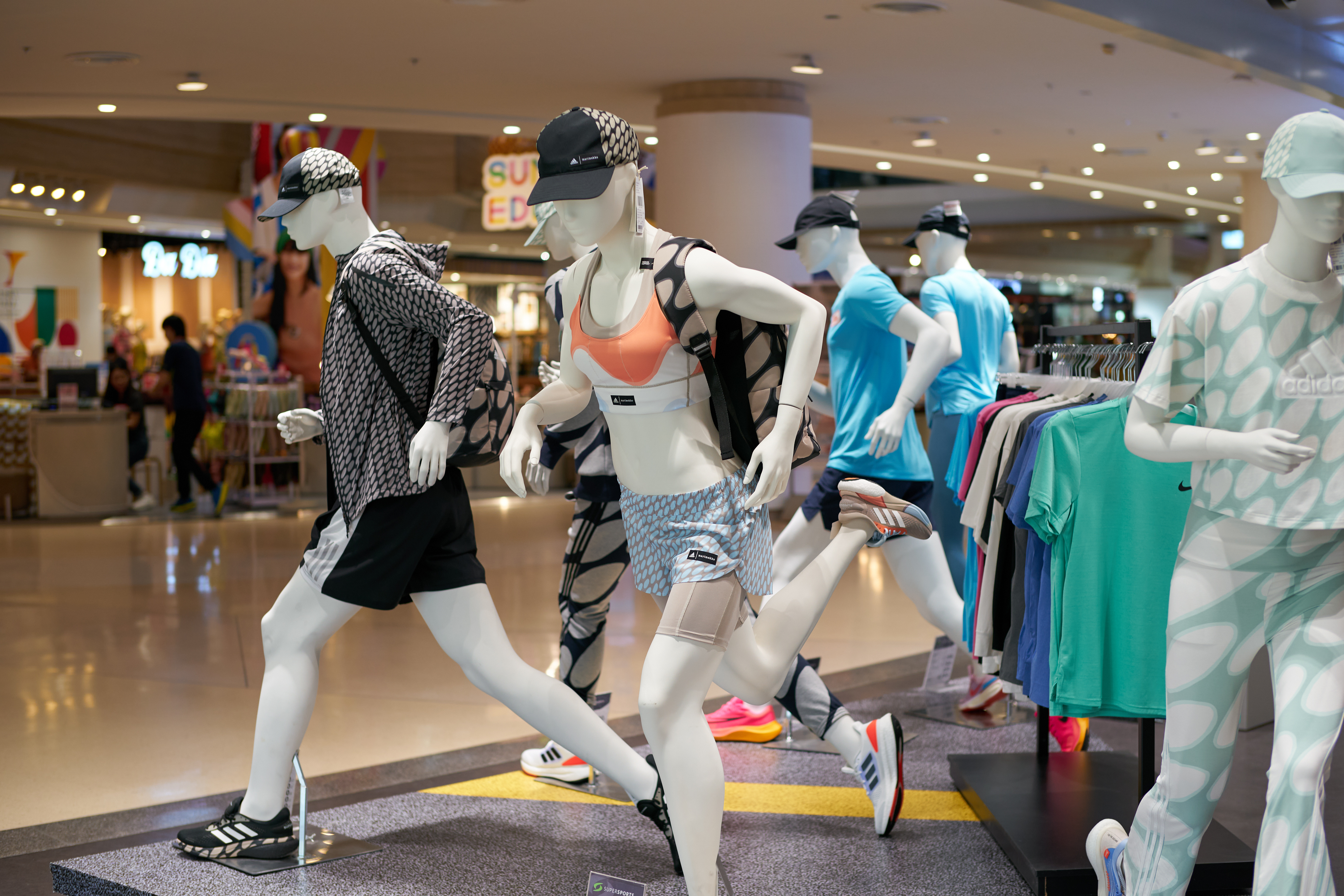
"Performance fabric" (some call it "functional fabric") isn't one type of fabric. It's a normal fabric with extra features added, through the fibers used, how it's knitted, or a finishing treatment. The difference from a fabric that just claims to be "special"? Proof — a named test method and a report you can check. Use the table below as your checklist when talking to a supplier.
7 Performance Fabric Features Running Brands Look For and the Evidence You Should Request
| Property | Real-World Requirement | What to Ask or Request When Needed |
| Sweat absorption, moisture movement, and quick drying |
Heavy sweating in humid weather, while still needing to wear the shirt after the run |
AATCC 195 for how moisture moves, and ISO 13029 or ISO 17617 for drying speed |
| Cool-to-the-touch feel | Less heat felt when the fabric first touches skin at the start of a run | qmax value under JIS L 1927, plus the test conditions |
| UV protection | Running outdoors under strong Thai sun | UPF under AATCC TM183 or AS/NZS 4399, both dry and wet |
| Water repellency or rain protection | Rain during a running event | Ask whether it's surface water resistance or water-pressure resistance, and the test method name |
| Doesn't turn see-through when wet | Shirt gets photographed after the run, shouldn't turn see-through | Real fabric samples tested wet and stretched |
| Odor reduction | Needs to stay wearable after running, no outfit change | Test report under the ISO 17299 series, with the exact odor substance tested |
| Stretch and recovery | Shouldn't go loose or lose shape after repeat wear and washing | Test report under the ISO 20932 series |
Do You Need to Request Fabric Test Reports Every Time?
You don't need to ask for documents every time, but you should always ask about them. Truth is, a lot of small Thai brands never ask suppliers for test reports. That's exactly why the brands who do ask come out ahead: one good question is enough to tell you which supplier actually knows their fabric, and which one is just reading off a spec sheet.
Levels of Fabric Verification Based on a Brand's Readiness
| Level | Suitable For | What to Do |
| 1. Test it yourself |
New brands with no supporting documents yet |
Get a sample, then wet it, stretch it, hold it to light, and wash it several times |
| 2. Ask for the test method | Brands starting to get regular orders | Ask which method was used and whether it was before or after washing — no need for the full report yet |
| 3. Get the full report | When you're printing claims on labels, selling to companies, or exporting | Get the complete report, including test conditions and wash count |
One thing worth knowing: some features fight each other. Quick-dry fabric is usually thin and light, which can make it easier to see through. A water-repellent finish can also make fabric absorb sweat less well. So pick what matters most for your product, don't expect every feature to max out at once.
The last feature on the list often gets skipped because it doesn't sound impressive on a label, but it's a common cause of complaints after a sale. Stretch and recovery can be tested using the ISO 20932 series, which checks how far the fabric stretches, whether it snaps back, and whether it loses its shape for good.
Another thing buyers rarely ask about because it feels basic: how well the fabric holds up after repeated washing. Ask for documents anyway. Check pilling (ISO 12945) and color fastness to sweat (ISO 105-E04). These matter a lot for running shirts, since sweat hits the fabric constantly, and problems here usually only show up after the product's already shipped.
-------------------------------------------------------------------------------------
Moisture-Wicking, Quick-Dry, and Cooling Fabrics: What Is the Difference and How Are They Tested?
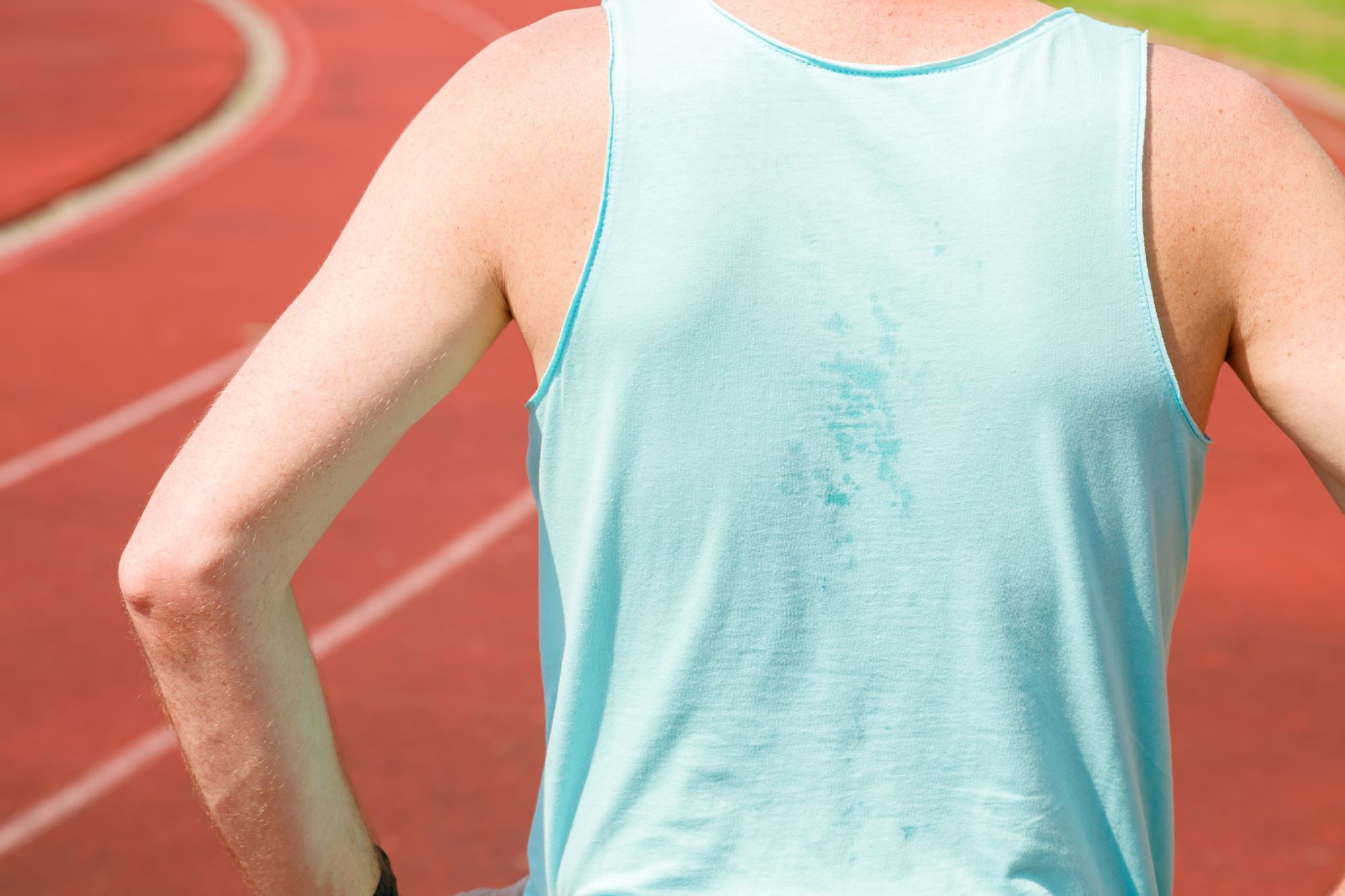
These 3 things aren't the same, and each is measured differently. Moisture-wicking is how well fabric pulls sweat off your skin and spreads it out. Drying rate is how fast the fabric dries out completely. A cool-touch feel is that quick chill the moment fabric touches your skin — it doesn't mean the shirt stays cool for your whole run.
3 Properties Often Grouped Together as "Cooling Fabric"
| Property |
Reference Test Method | What the Result Tells You | What the Result Does Not Tell You |
| Moisture management |
AATCC 195 |
How fast it wets, spreads, and which way moisture moves |
How comfortable it'll actually feel to wear |
| Drying rate | ISO 13029 and other drying-rate methods | How long it takes to fully dry under set conditions | How it performs in Thailand's humidity |
| Cool-to-the-touch feel | JIS L 1927 (2020) | qmax — the max heat pulled from skin on contact | Whether it stays cool once it warms up to skin temperature |
| Breathability | ISO 11092 | How well heat and moisture pass through the fabric | How the finished shirt performs with seams and lining added |
Under JIS L 1927 (2020), the number used for cool-touch feel is called qmax — how much heat moves away from your skin the instant fabric touches it. Test-equipment makers generally use 0.100 watts per square centimeter or higher as the cutoff for "feels cool." Always ask for the test conditions along with this number, since temperature and humidity during the test change the result.
Three questions worth asking: Which test method? Before washing or after how many washes? What was the temperature and humidity? Get all three answers and you can fairly compare two fabrics. Can't get them? Treat the number as marketing talk, not data.
-------------------------------------------------------------------------------------
UV Protection, Water Protection, and See-Through Fabric: 3 Areas Running Brands Commonly Get Wrong

Brands get these three wrong because they check fabric dry, but people wear it wet. A running shirt does its real work soaked in sweat or caught in rain, and that's exactly when UV protection can drop, stretching opens up gaps between the threads, and the fabric
UV Protection Fabric: What UPF Information Should You Ask For?
The standard number is UPF. It tells you how much UV the fabric blocks. Recognized tests are AATCC TM183 (US) and the 2020 AS/NZS 4399 (Australia/New Zealand), with ASTM D6603 covering how to label it. Protection is rated minimum, good, or excellent, and the highest number you'll usually see is UPF 50 or 50+, meaning only about 1 in 50 UV rays gets through. Here's the key part: these tests can be run wet or dry, so always ask for the wet result too.
Waterproof and Water-Repellent Fabric Don't Mean the Same Thing
Make the Difference Clear Before Writing Fabric Specifications or Product Claim
| Property Group |
Meaning | Reference Test Method | Suitable for Running Shirts? |
| Surface water repellency |
Water beads up and rolls off while the fabric still breathes | AATCC 22 or ISO 4920 spray test | Best for light running shirts and jackets |
| Resistance to water hitting the fabric |
Measures resistance to water striking with force, like rain | AATCC 42 | Good for rain jackets |
| Resistance to water pressure |
Measures how much water pressure (column height) the fabric can hold | ISO 811 or AATCC 127 | Usually overkill for running shirts, and trades off breathability |
The water-column number you see on quotes always needs a test method attached, since numbers from different tests can't be compared directly. Also ask how many washes the water-repellent finish survives, since most of these finishes wear off over time.
Checking for See-Through Fabric Is the Hardest of the Three
There's no single global test for see-through fabric like there is for the two features above. The practical way: get a real sample, wet it, stretch it the way it'll stretch on a body, and check it under bright light, using your collection's lightest color, since light colors are always the riskiest. Test it both before and after several washes to see if the fabric loosens up and gets more see-through over time.
-------------------------------------------------------------------------------------
Odor-Control Fabric for Running Shirts: What Evidence Should You Request from a Supplier?
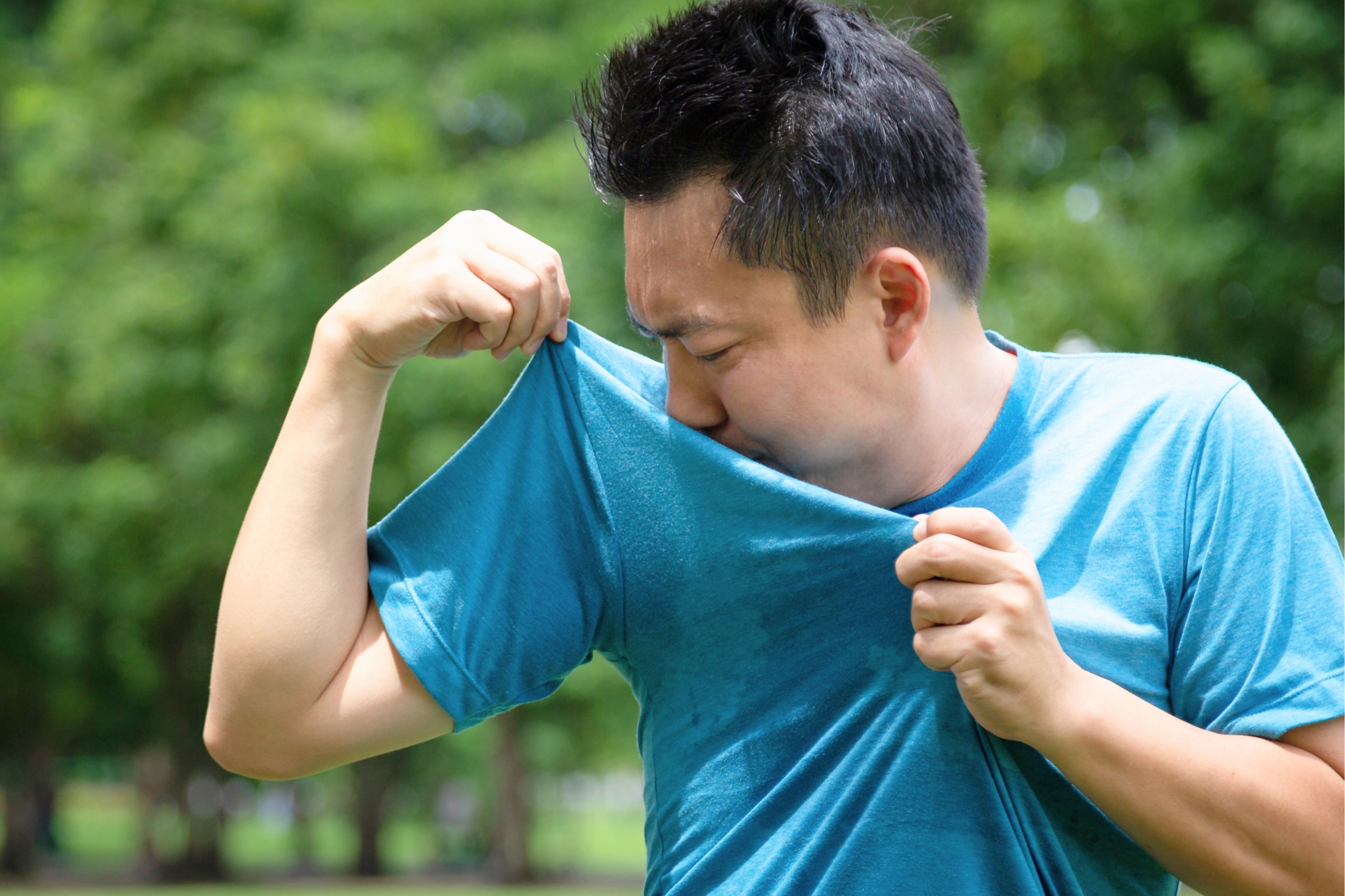
Bacteria are a big cause of sweat smell, so many odor-control fabrics work by slowing bacteria down. But odor tests and antibacterial tests are two different things and can't replace each other. Odor tests measure how much the smell drops. Antibacterial tests measure how many germs are left on the fabric.
Two reasons for that. First, there's more than one way to cut odor: killing the bacteria that cause it, absorbing smell molecules directly, or just drying fast enough that bacteria can't grow. Second, not all sportswear smell comes from bacteria — some comes from body oils reacting with air, and some from stuff that synthetic fibers hold onto.
The recognized test for odor reduction is ISO 17299 (2014), which has several parts — some use detector tubes, some gas chromatography, some odor-sensor kits — and it names the exact substances tested, like ammonia, acetic acid, and body-odor compounds. Antibacterial testing is a separate set of standards, including ISO 20743 and AATCC 100.
Ask your supplier for four things: the test method and part used, the exact substance tested, results before and after a set number of washes, and who issued the report. Get all four, and you can write your label claim with confidence.
Under Thai law, the Consumer Protection Act B.E. 2522 (1979) requires that ads not be false or exaggerated, and the Office of the Consumer Protection Board (OCPB) enforces it. In practice, that means anything you print on a label or product page needs paperwork you can show on demand, and it should be as narrow as your actual test results. Say which odor was reduced and how it was tested, instead of just claiming "no odor."
-------------------------------------------------------------------------------------
Fabric Sourcing in Thailand: Buy Existing Fabric or Develop a Custom Fabric for Your Brand?
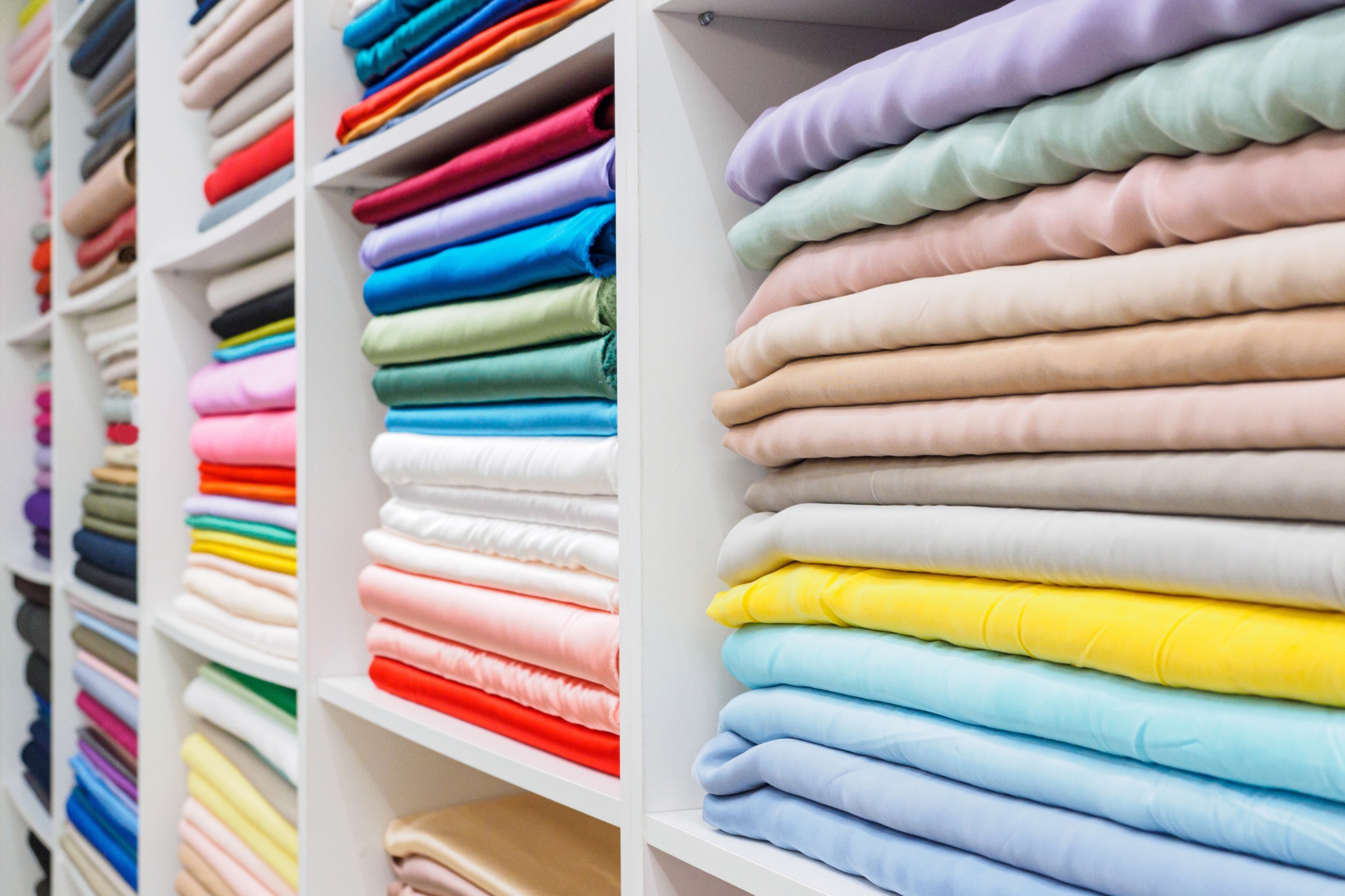
The deciding factor isn't your brand's size, it's how many features you need at once. Need just one or two that already exist in the market? Buying from a full-service supplier's stock in Thailand is usually faster and cheaper. Need three or more in one fabric, or specific weight and color? Custom development is often worth it long-term.
Criteria to Consider Before Choosing Existing or Custom Fabric
| Issue | Buy an Existing Fabric | Develop Custom Fabric |
| Number of features you can get together |
Limited to what's already built into that fabric |
Can be specified from the start |
| Similarity to competitors' products | High, since anyone can buy the same fabric | Lower, since the spec is unique to you |
| Sample-approval steps | Fewer — mainly fabric and color samples | More — color and fabric samples before full production |
| Minimum order and lead time | Ask the sales team for real numbers | Ask the sales team for the actual figures |
| Main risk to manage | Fabric may get discontinued or vary between lots | Needs more advance planning |
Whichever path you pick, do this first: get a fabric sample, make one real shirt from it, and go run in it, before you confirm the full order. Most of the features in the table above were tested on flat fabric, but you'll wear it as a finished shirt with seams, elastic, and print on it.
-------------------------------------------------------------------------------------
Frequently Asked Questions (FAQ)
What Fabric Should Be Used for Running Shirts, and What Fabric Weight Is Suitable?
Most running shirts use knitted synthetic fabric, since it dries faster and bounces back better than natural fiber once it's wet with sweat. The right weight depends on whether you want it light or more coverage — very light fabric usually shows more skin through it. For more on reading fabric specs and comparing fiber types, see our Fabric Selection Guide Before Starting a Brand.
What Is the Difference Between Moisture-Wicking Fabric and Quick-Dry Fabric?
Good moisture-wicking means pulling sweat off your skin well. Quick-dry means releasing that moisture into the air fast. A fabric can be great at one and weak at the other — one that pulls sweat well but holds onto it will feel heavy and dry slowly. Ask for both test results separately.
What Documents Should You Request for a Running Shirt That Claims UV Protection?
Ask for a UPF report that names the test method — AATCC TM183 or AS/NZS 4399 — with wet-condition results included. Also ask for results after an agreed number of washes, since some finishes fade with washing. A number with no test method named isn't enough to put on a label.
How Can You Check Whether Running Shirt Fabric Becomes See-Through Before Full Production?
Test a real fabric sample wet and stretched, using your lightest color. It doesn't take long, and it prevents a problem you can't fix after production. If it fails, you can add weight, change the knit, or go darker in color.
How Do You Start Custom Fabric Development in Thailand for a Running Brand?
Rank the features you need before you even talk about fabric. Bring three things to your supplier: your product type and selling season, your must-have features in priority order, and a rough volume plan. Minimum order and lead time depend on fabric type and color, so ask your sales contact from the first conversation.
Can Running Shirt Fabric Be Made More Environmentally Responsible as Well?
Yes, usually by choosing recycled fiber with certification you can trace. Just don't let your label claims go further than your paperwork supports. For how to choose and what to ask for, see our article on How to Choose More Environmentally Responsible Fabrics Before Sourcing Fabric in Thailand.
BCL 2002 is a fabric supplier in Thailand offering full-service fabric solutions for sportswear brands and garment factories — from choosing specs and getting test documents, to custom performance fabric development for your exact needs. Planning fabric sourcing in Thailand for a running collection, or thinking about custom fabric for your brand? Contact our team for advice on specs and samples.
-------------------------------------------------------------------------------------
Limits of This Information
This article names test methods so you can ask suppliers for the right documents. It doesn't give pass/fail numbers for every feature, since those depend on the product and the deal between buyer and seller. Check the latest test conditions with the testing body before quoting this in trade documents. The market observations here come from talking to people at trade shows, not a formal survey. The see-through test method described is industry practice, not an official standard. And this article doesn't cover minimum order quantities, lead times, or prices, since those vary by fabric, color, and timing.
-------------------------------------------------------------------------------------
References
- AATCC TM183 and AS/NZS 4399:2020 — UPF measurement and classification · ASTM D6603 — labeling guidance
- AATCC 195 — fabric moisture management · ISO 13029 — drying rate
- JIS L 1927 (2020) — measuring cool-touch feel
- ISO 811, AATCC 127, AATCC 22, ISO 4920, AATCC 42 — water resistance and repellency · ISO 11092 — heat and water vapor resistance
- ISO 17299 (2014) — odor reduction in textiles · ISO 20743 and AATCC 100 — antibacterial activity in textiles
- Consumer Protection Act B.E. 2522 (1979) — advertising regulation